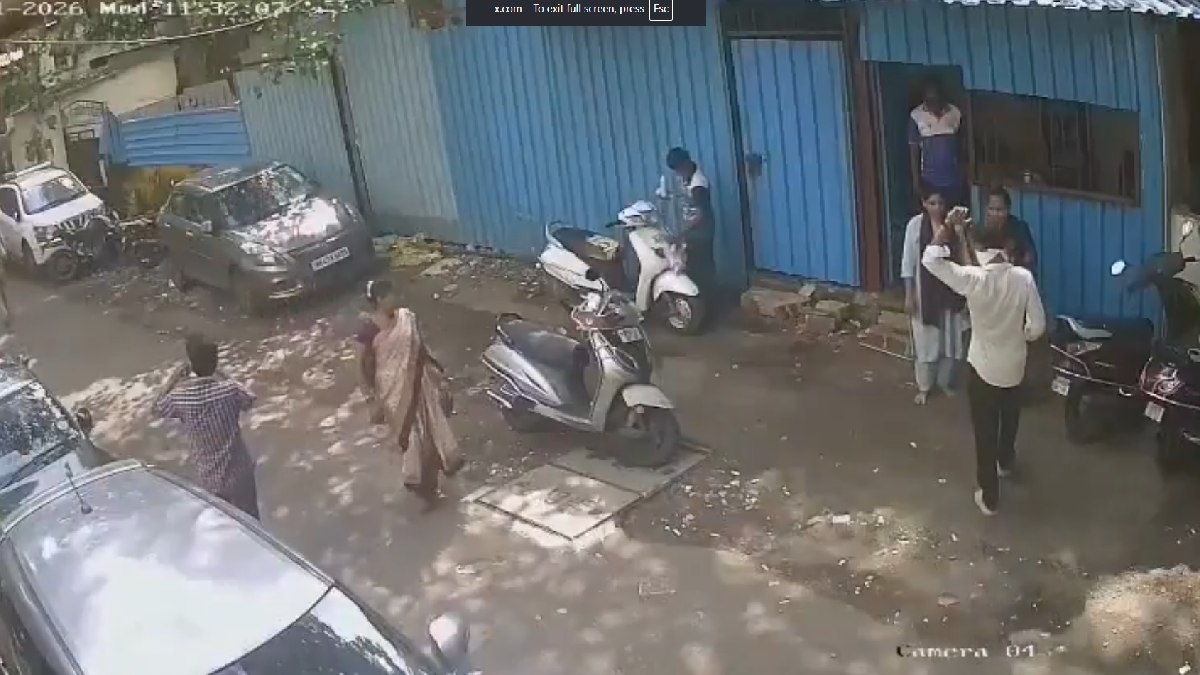
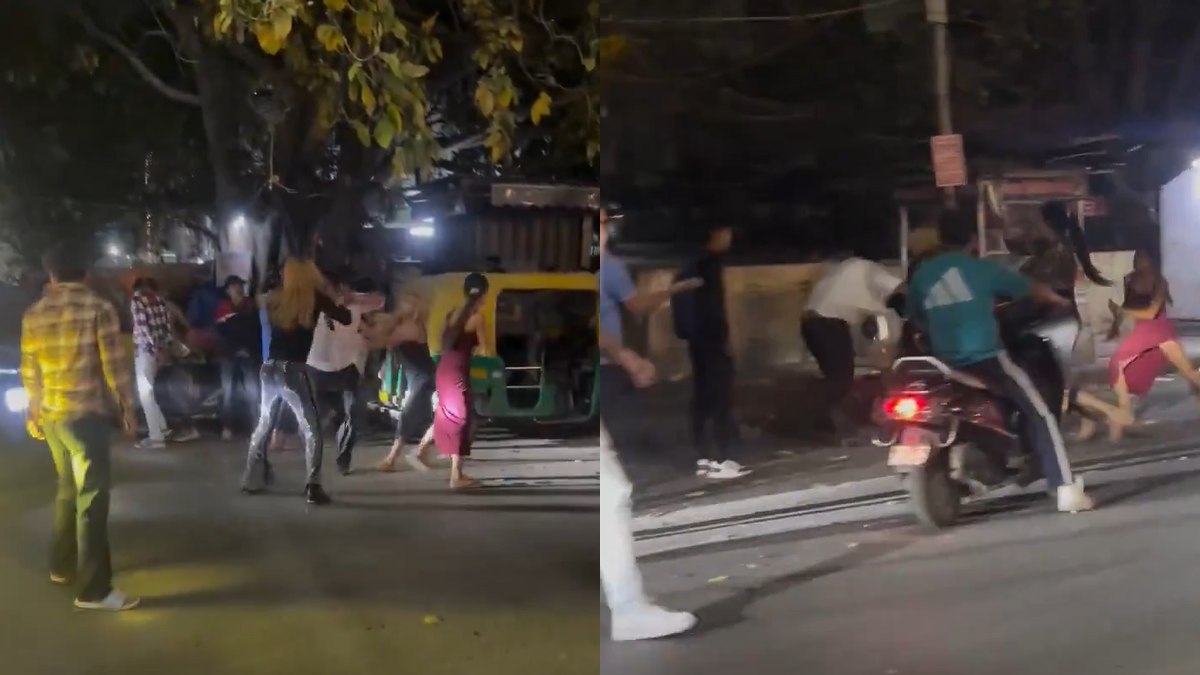
New Delhi: Tension has increased at Delhi's Jantar Mantar after people who were on the CJP's protest march clashed with the security forces stationed there. Police personnel, with the help of other security forces, used lathis to block the demonstrators who tried to push past security barricades on the way to Parliament, said the police.
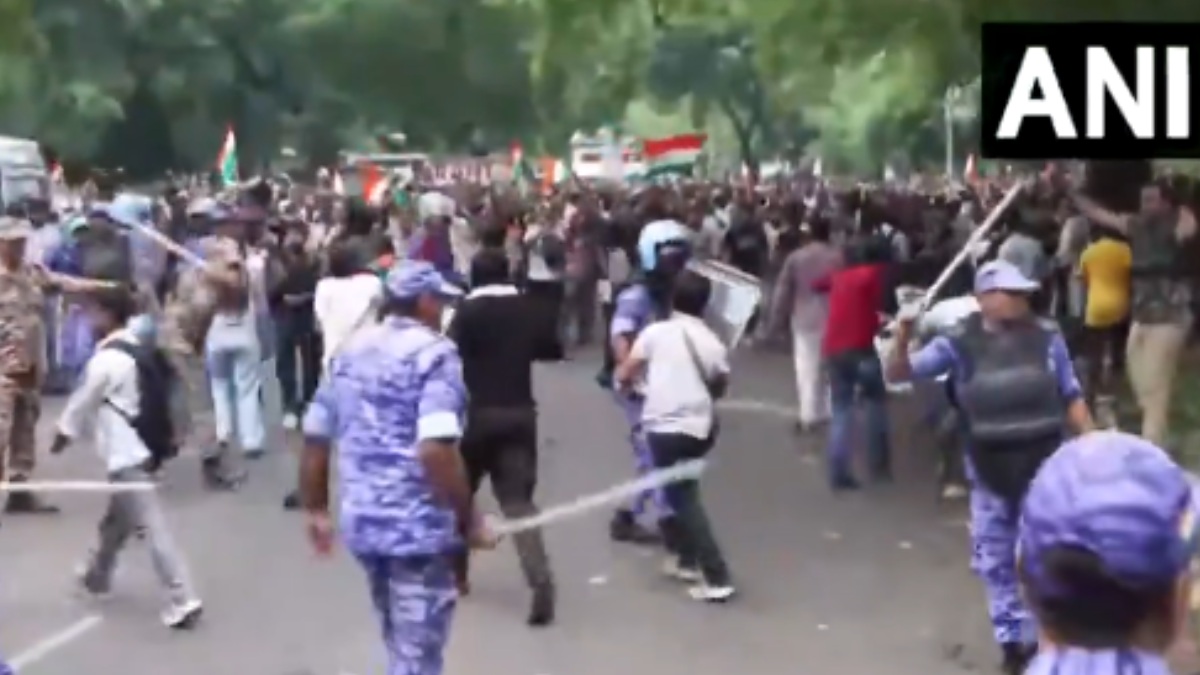
The protest had been organized following CJP's call for a 'March to Parliament'. Delhi Police had already put up massive security around Jantar Mantar and surrounding areas. Barricades were erected with rapid response teams, and traffic was curtailed in the high-security area around Parliament.
The situation became tense when people tried to move beyond the protest area, the officials said, but the crowd was unable to get out of the protest area and the police blocked the demonstrators. People trying to cross police barricades and the protesters were confronted with security personnel who had to be stationed in front of Parliament to prevent them from crossing police barricades to move towards Parliament, they said.
Police used lathis to disperse protesters and bring order back to the city as the crowd became more and more animated. Security personnel pushed protesters back behind barricades to encourage them to stay peaceful and follow police instructions. Force was employed to keep the protest from spreading to other areas, and to keep the protest going and that the protest didn’t spread.
Witnesses reported shouting, slogan-raising and at times chaos at the intersections between protesters and police and one another. Some people were still asking permission to proceed with the march, and police said they were unable to because security procedures and current restrictions were too tight to allow the march to proceed to Parliament.
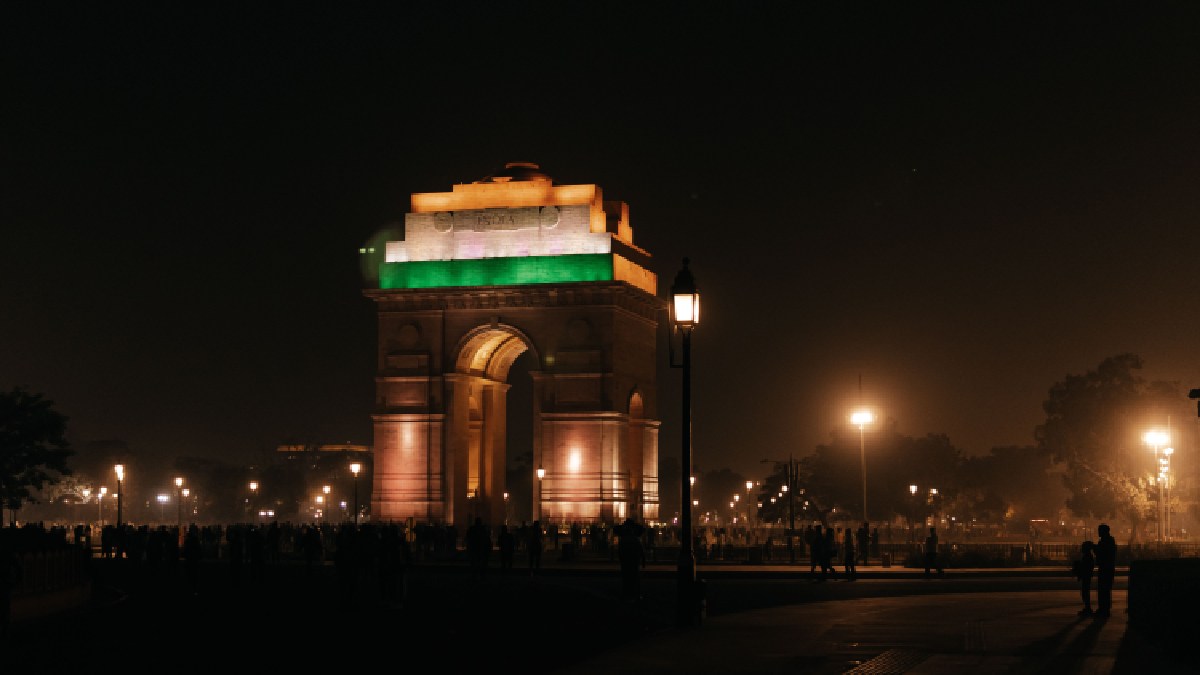
Authorities had already announced elaborate security arrangements in central Delhi in advance of the demonstration. Personnel from Delhi Police, Rapid Action Force (RAF) and other security agencies had been at key intersections and CCTV cameras and mobile patrol units were also deployed for surveillance on a large scale. Security checks had also been enhanced at nearby Metro stations and entry points to Parliament.
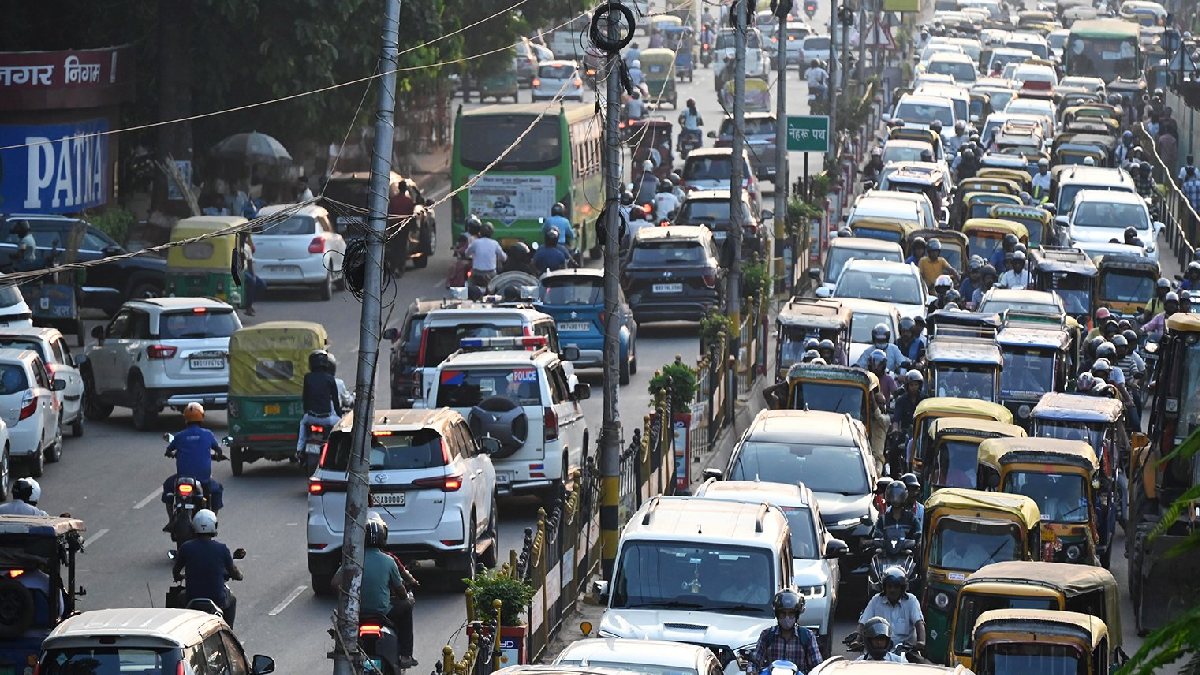
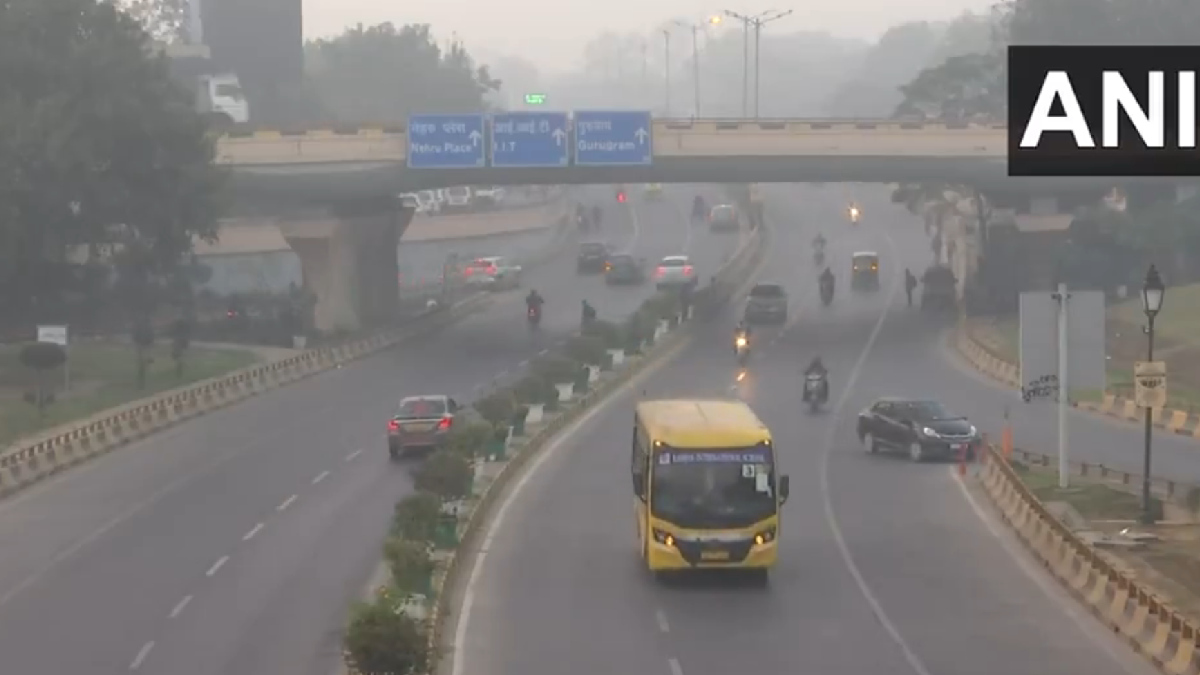
Some of the road traffic in Central Delhi was also affected as police diverted vehicles away from the protest site. Traffic was slowed down as road closures and barricades were set up on Parliament Street, Janpath and its roads. The Delhi Traffic Police advised motorists to follow the traffic advice and take alternative routes where possible.
The main objective of the security deployment was to ensure public safety and law and order, officials said. Police said peaceful demonstrations will be allowed under the law and under certain circumstances but that any attempt to break security arrangements or to enter restricted areas will be dealt with as per established protocols.
Emergency medical staff and ambulances were stationed in the vicinity of the site as a precautionary measure. As the situation was monitored, any injuries or emergencies from the confrontation were kept under control and security personnel had regained control over the area.
Senior officials were assessing the situation and called on protesters to remain calm and cooperate with police to maintain order. They said dialogue and peaceful protest must not only be encouraged but also that public safety and the security of vital government institutions cannot be compromised, the officials said.
#WATCH | Delhi | Protesters gathered for CJP's protest march clash with RPF personnel at Jantar Mantar; RPF personnel & police use lathis for crowd control pic.twitter.com/gijaCjJksW
— ANI (@ANI) July 20, 2026
Political demonstrations near Parliament are subject to strict regulations because of the sensitivity of the location. Security agencies therefore often have to have a complex system of local police, paramilitary teams, intelligence units and traffic management teams onsite when large crowds of people are expected.
The developments at Jantar Mantar once again highlighted the challenge of balancing citizens' right to peaceful assembly with the responsibility of authorities to maintain public order and safeguard high-security government areas. The investigation into the incident will be analyzed by the government and action will be taken in accordance with the law.