Delhi Zoo is now home to three healthy Asiatic lion cubs. The cubs are being kept with their mother in a very secure environment and the zoo is taking care of them. The zoo has no human interference for the cubs and the lioness and her three cubs are being monitored closely by veterinarians and animal care experts at this time.
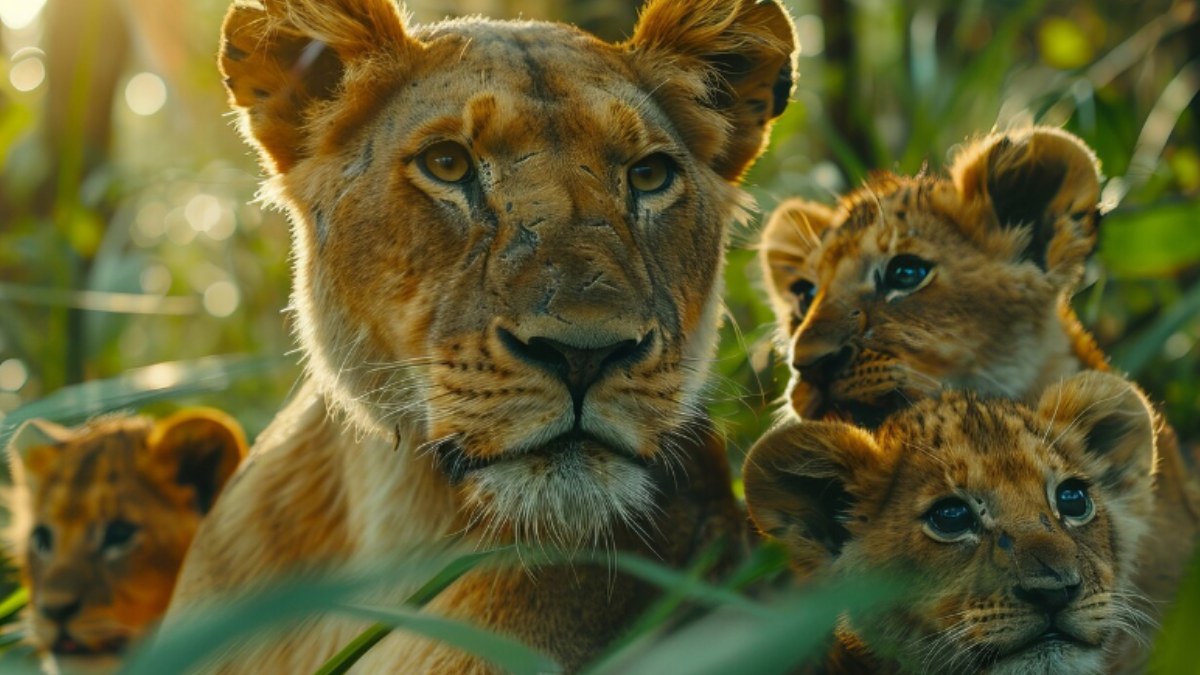
The birth of the three cubs has been celebrated as one of the biggest successes recorded in India's captive breeding programs, a key component of wildlife conservation efforts. Modern zoos have become places not only for animals to be exhibited but also for the conservation of endangered species (scientific breeding programs, veterinary care, genetic management, rescue and rehabilitation, wildlife research) and education.
The successful breeding of Asiatic lions at Delhi Zoo shows that conservation programs that have been put in place to keep populations of threatened species healthy and genetically diverse under expert supervision work.
The Asiatic lion (Panthera leo persica) is one of the world’s most endangered big cats and is deeply associated with India. Asiatic lions are a bit smaller than African lions, have a distinctive fold of skin on their abdomen but have shorter manes and less developed manes.
Today, the only wild population of Asiatic lions is in the Gir Forest region in Gujarat and India is the only country that is responsible for keeping the very rare species alive and well in its natural environment.
Conservation work and habitat protection, anti-poaching efforts, scientific monitoring and community involvement have increased the population of Asiatic lions in recent years. But wildlife experts are still stressing that in-situ conservation of species in the wild and ex-situ breeding to keep them genetically healthy is still necessary.
The cubs’ arrival also highlights the importance of captive breeding for safeguarding endangered wildlife against future threats. Conservationists say good backup populations in zoos can be helpful in case of disease outbreaks, habitat degradation, natural disasters or any future disturbance on wild populations.
Scientific breeding programs also provide opportunities to study animal behavior, reproductive biology, veterinary medicine and genetics and help develop conservation strategies for future generations.
The lion cubs’ birth will create fresh interest in wildlife conservation for the visitors. If the cubs are old enough and veterinary experts feel it is safe they will eventually be let out into special viewing areas where the public can see them on site. But zoo officials say they want to ensure that the survival of the animals remains the top priority and any public display will only take place once the cubs are strong physically and fully acclimatized to be exhibited.
The Delhi Zoo is a world-renowned breeding and education facility for many endangered species and has been engaged in breeding programs to help the world’s endangered species to be saved. Besides Asiatic lions, the zoo has also been involved in the conservation of mammals, birds and reptiles to help in the conservation of biodiversity in the national biodiversity of the region.
The zoo organizes education programs for school children and visitors to see the importance of conservation and protection of biodiversity and natural habitats. At a time when habitat loss, climate change, pollution and human-wildlife conflict are taking place all across the world, we need this awareness.
India's efforts in wildlife conservation have had many positive outcomes over the past few decades -- tiger populations were reintroduced, one-horned rhinoceroses, crocodiles and Asiatic lions were saved. These achievements show the need for continued investment in scientific research, habitat management, strong legal protection and collaboration between government agencies, conservation organizations, scientists and local communities to achieve this.
The birth of three Asiatic lion cubs at Delhi Zoo now represents more than a happy day; however, it is the hope for the future of one of India’s most iconic species. It is a reflection of wildlife professionals from various agencies who work tirelessly to save endangered animals and inspire future generations to appreciate and protect the country’s amazing natural heritage.
With the cubs as they are growing with the best care of experts, they are a reminder that conservation, when supported by science and public engagement, can be a big deal for wildlife conservation efforts and can be effective in supporting future generations.