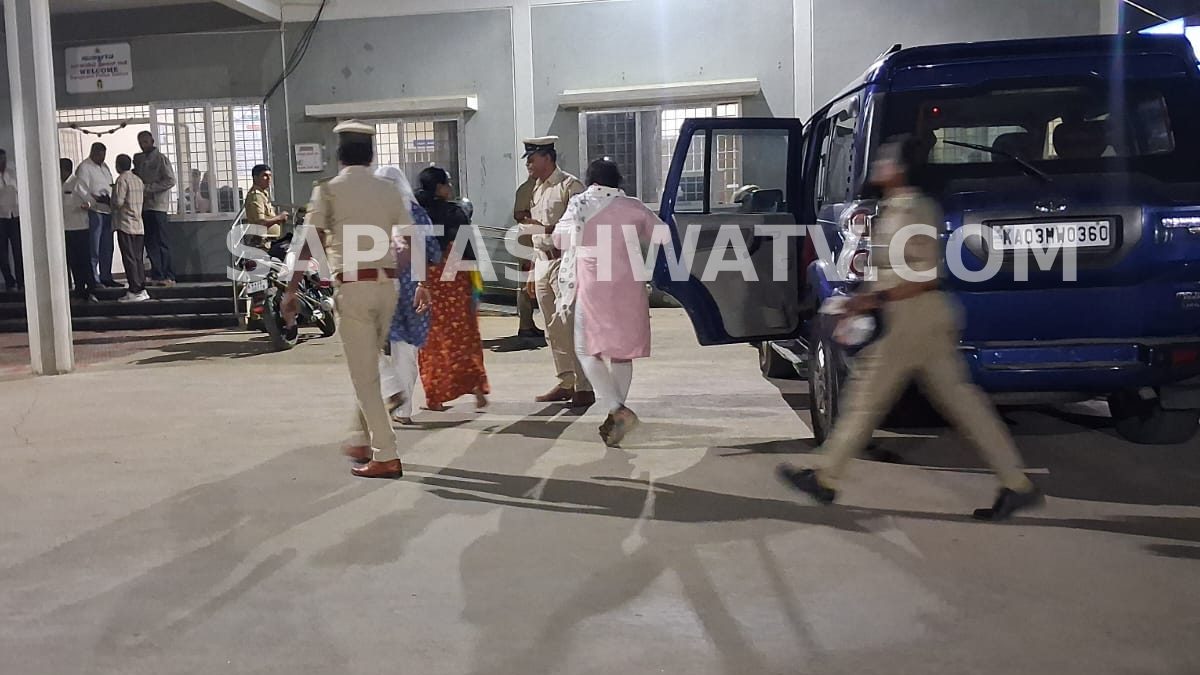
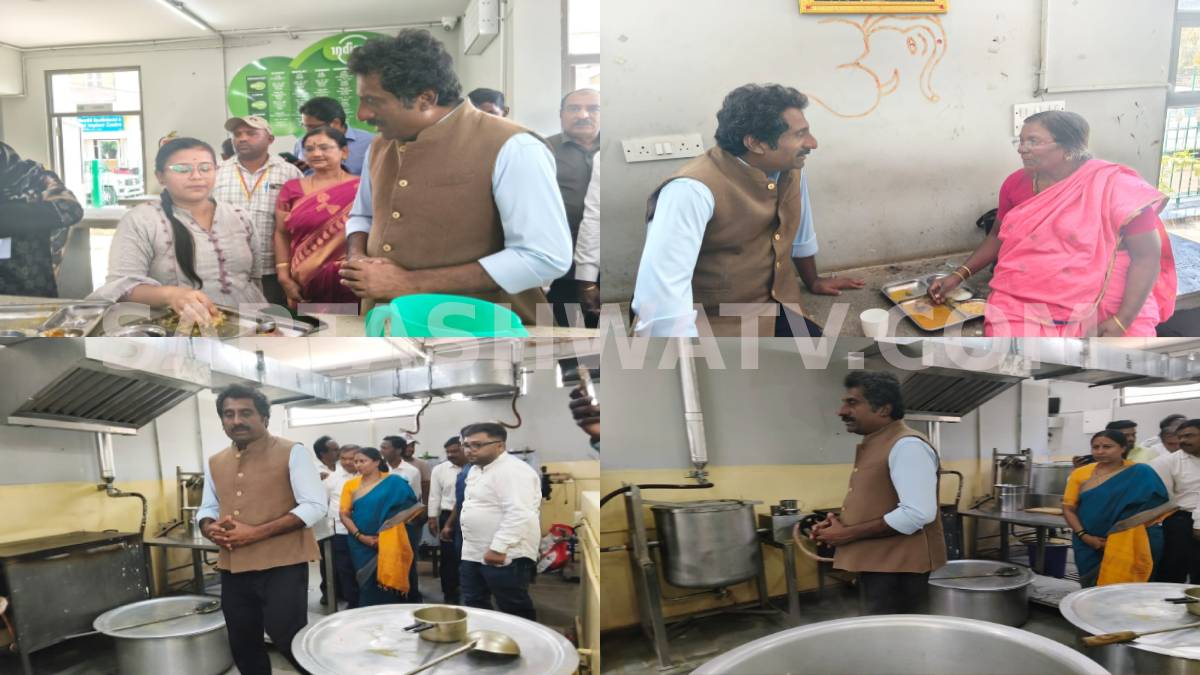
Kolar District, Karnataka, witnessed a major crackdown on milk adulteration very recently. When authorities discovered that 18 dairies in border areas had been selling fake and inferior milk, authorities investigated. These dairies were shut down by the District Collector after a probe showed serious violations such as fictitious marketing and unsafe working practices.
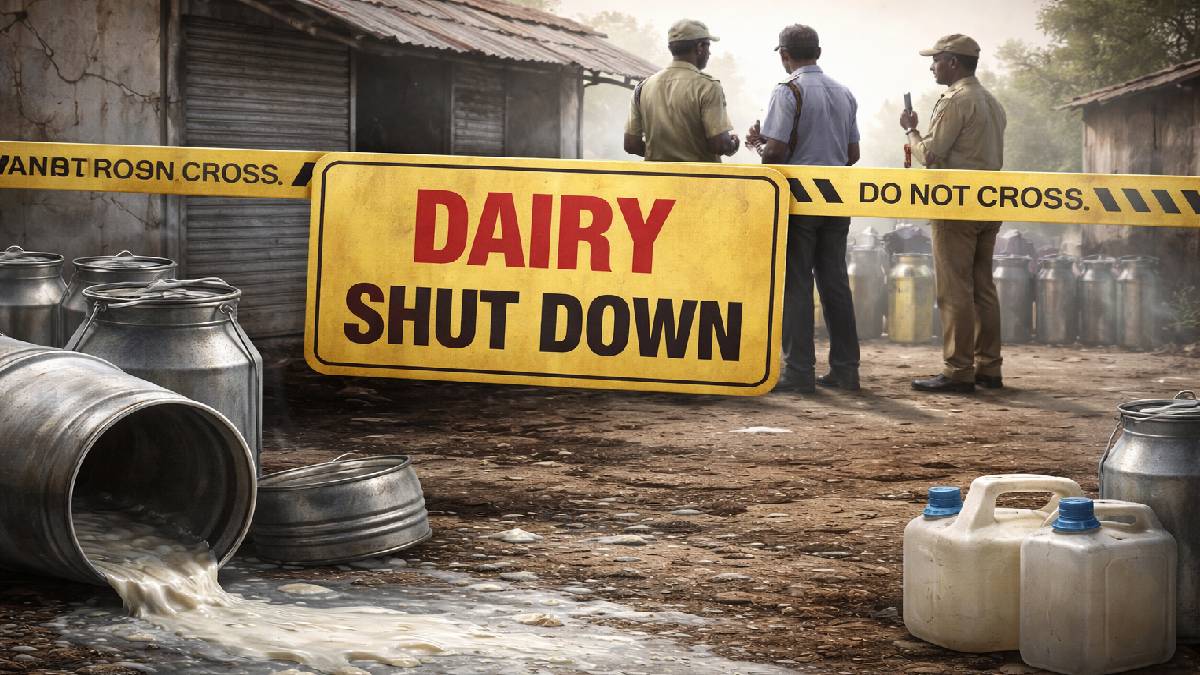
The dairies were discovered to be branches of private operators in neighbouring states, Andhra Pradesh and Tamil Nadu. They were producing milk which was not just below quality standard but falsely named famous names like Nandini and Dolda. Such misbranding deceived shoppers into thinking they were purchasing trusted products, when the true state of things was a blend between adulterated and unsafe milk.
It has been inferred that a whole village in Kolar district was engaged in preparing the adulterated milk. This suggests a widespread action, not one-off events. The manufactured milk was being distributed widely, raising concerns over public health and consumer trust. That such operations had been conducted openly exposes the challenges of monitoring food safety in border places.
All eighteen dairies were to close on an immediate basis, ordered by the District Collector. Steps being taken will ensure similar activities would not happen again. Cases should be filed by authorities, but further investigations may uncover additional networks of milk adulteration.
The scandal has been a shock for consumers. Milk is one of the staples consumed in households everywhere, so brands you trust such as Nandini are part of your everyday routine. Learning that fake milk is being marketed under these names has inspired fear and fury among the public. Now families are doubting the safety of the milk they eat, and trust in local supply chains has been rattled.
Food adulteration is not something new in India, but the magnitude of this case has brought attention to the need to improve enforcement. It also opens up the topic of cross-border trading and of private dairies. The importance of inspecting food products and enforcing penalties is well understood and necessary to guarantee the reliability of the products provided by the company.
The closure of eighteen dairies in Kolar district is a positive step in getting more done on milk adulteration. The current threat may have been taken care of, but the situation will remind us how big of a war food fraud continues to be. Authorities should strengthen monitoring systems so that they may continue to keep consumers safe, win back trust, and ensure that basic products such as milk are maintained safe and authentic.