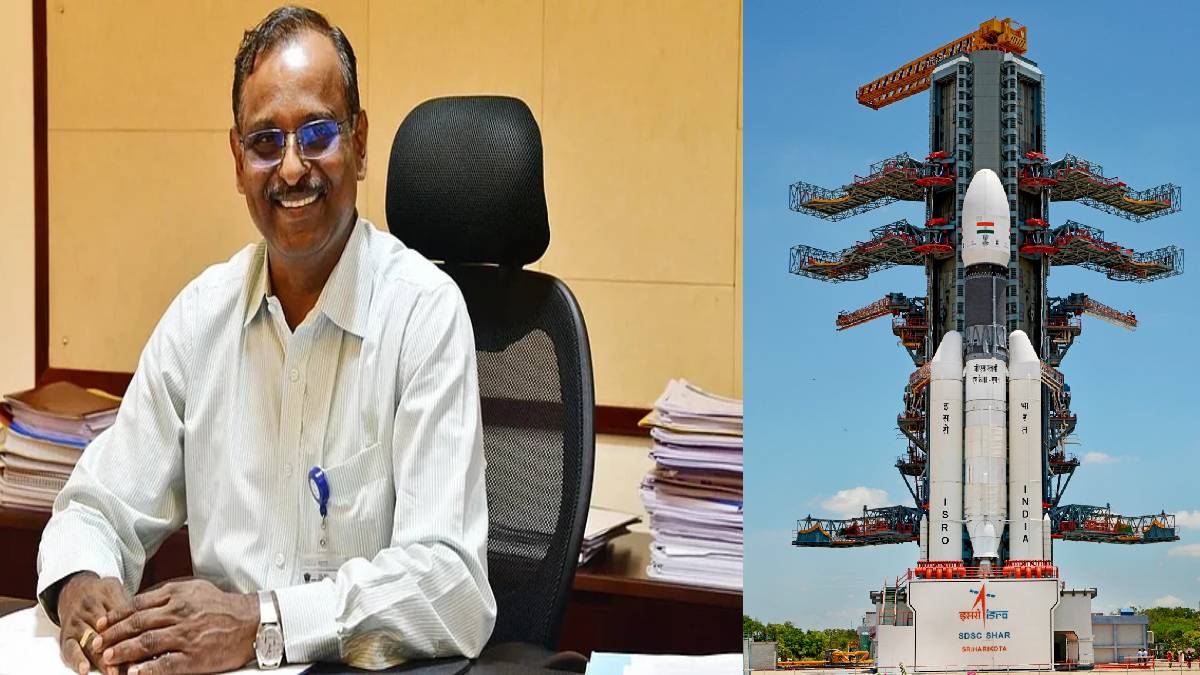
Bengaluru, Karnataka: Indian Space Research Organisation (ISRO) Chairman Dr. V Narayanan has responded to the questions of employees who are seeking clarification on the government’s space sector policy and the role of private companies in India’s space programme.
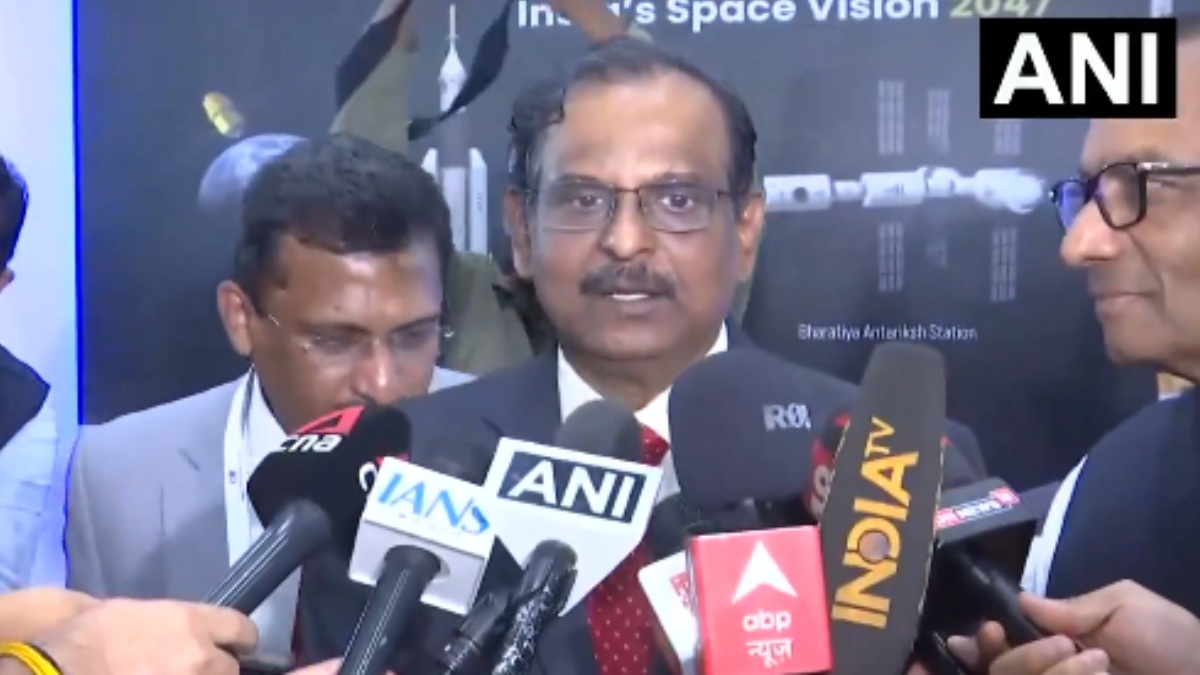
Narayanan said the changes that the Government made in India’s space sector that came in the last six years were aimed at the development of India’s entire space ecosystem and increasing the participation of private companies instead of privatising ISRO.
In Bengaluru, Dr. V Narayanan said that his reform in the space sector was to allow Indian industry to play a larger role in the country’s growing space activities. Under the new framework ISRO’s duty is to hold companies, nurture them and develop them and help build a strong and more capable space ecosystem in India.
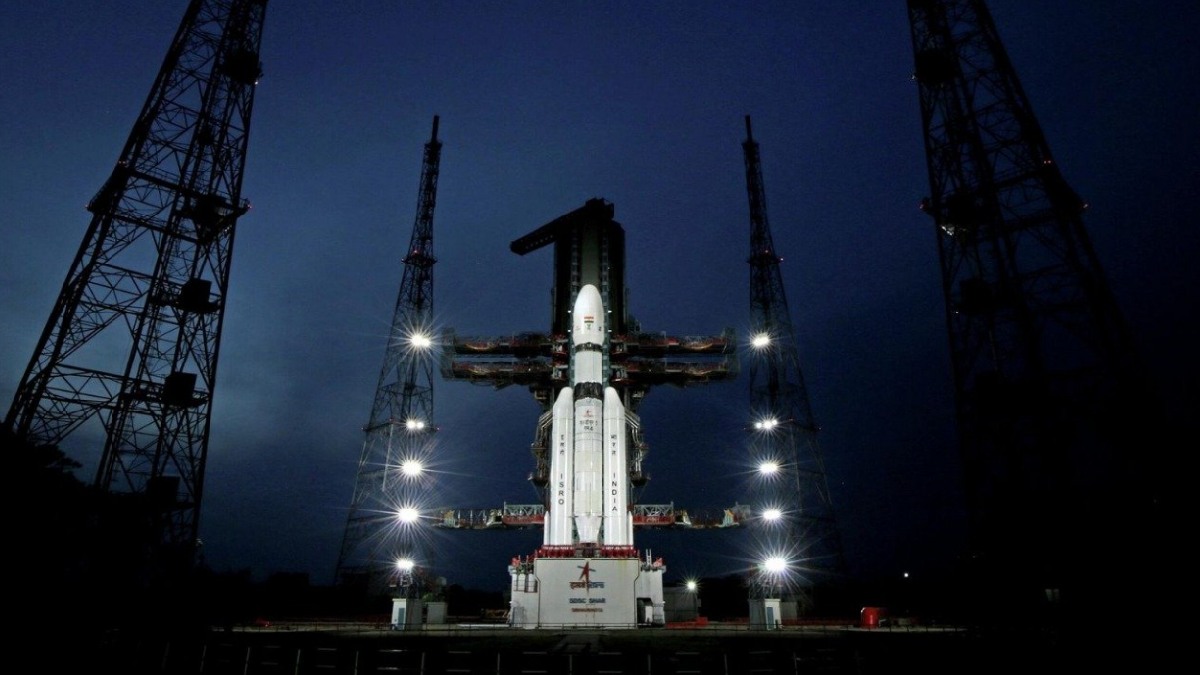
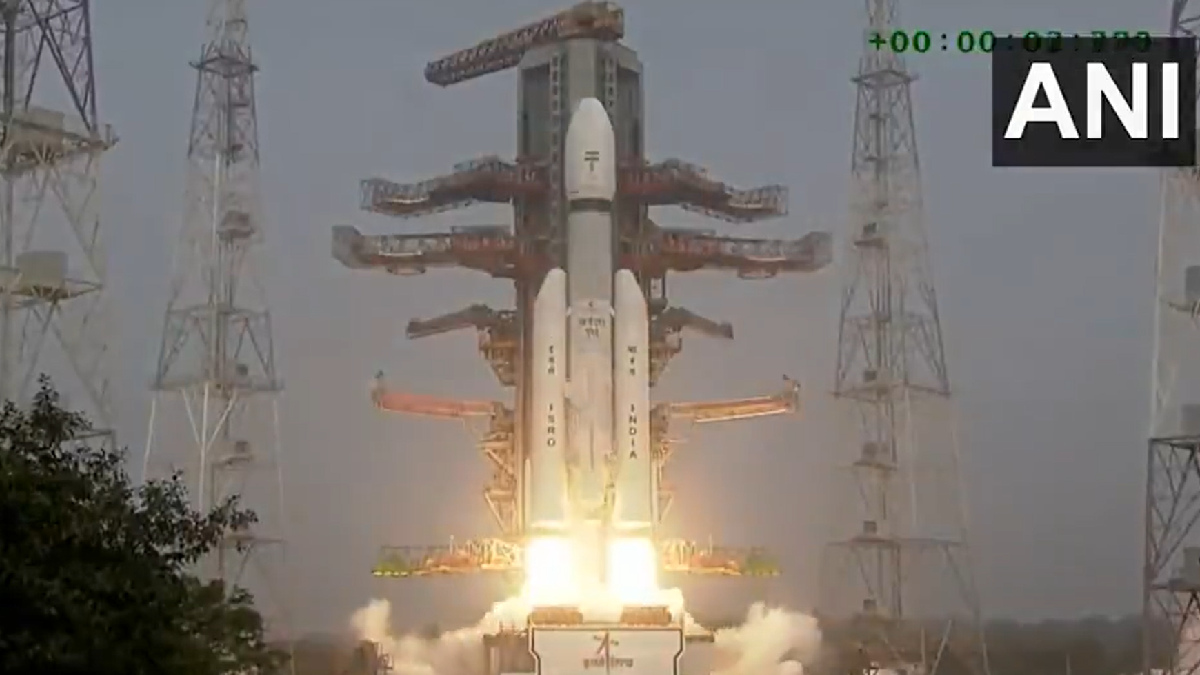
The ISRO chairman said that the involvement of private industry in space missions is already substantial. He added that when an Indian launch vehicle such as the PSLV or the Geosynchronous Satellite Launch Vehicle (GSLV) takes off, it is not because ISRO is doing it alone. Indian industries make a difference in the manufacturing and supply chain support of these launch vehicles.
Narayanan added that about 80 percent of the budget associated with the relevant industrial activities is invested by Indian industries, highlighting the role played by the private sector. He also said that around 450 industries have already been working with ISRO. The comments indicate the increasing importance of cooperation between government space agencies and private companies as India tries to enter the space economy of the world.
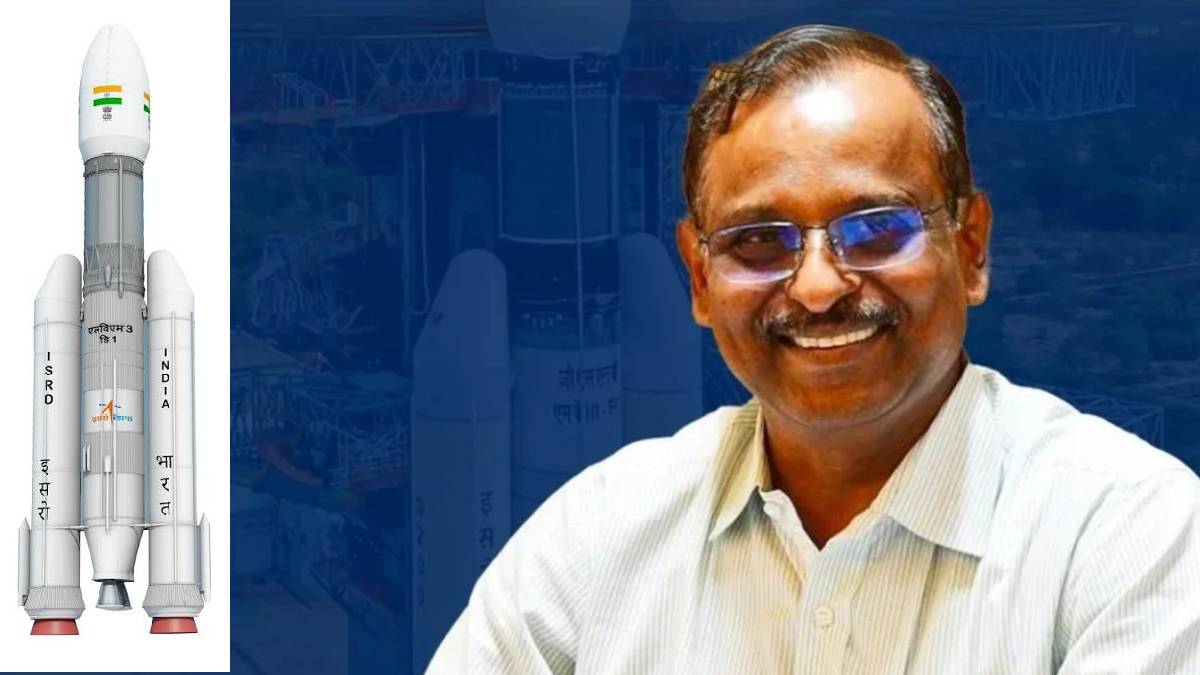
The chairman said ISRO employees' concerns for the changing role of the organisation are legitimate. In this regard, he added, the presence of private companies in the space sector should not be seen as privatisation of ISRO. Narayanan says the reforms are meant to increase India's launch capacity and create an ecosystem that will empower both public and private organisations.
One of the fundamental reasons for this policy is India’s requirements for launch vehicles. Narayanan said that the country needs 50 launch vehicles every year. To meet this demand, he said, much more industrial capacity will be required than ISRO alone could provide. More participation from Indian companies might help to increase production capabilities and allow ISRO to focus on advanced research, technology development, strategic missions and national space objectives.
At a time when India’s space industry is experiencing a sea change, these comments at a time of great changes are coming in very little time. The government is encouraging private companies and startups to enter areas that were traditionally held by public sector institutions. Private space ecosystem development will bring innovation and new manufacturing capabilities for India and make India competitive in the international space market.
But questions of future roles of ISRO employees and the organisation itself have also been raised in the wake of these changes. The concerns of employees will also be dealt with internally, Narayanan said. “A letter from one person would not necessarily be addressed in a written form with the whole organisation (which has more than 20,000 employees)”.
Langam, however, said the chairman listened to the employees and said that their concerns will be listened to and was assured that they would be addressed. It is clear that ISRO will continue to communicate with its employees as India's space programme is evolving under the new reform framework as a whole and will continue to communicate with them after he finishes this process, he said.
The issue of privatisation and private sector participation is still at the core. In Narayanan’s reform model ISRO is still a government space agency, private companies are given an opportunity to build capabilities and contribute to a bigger national space ecosystem. This approach is to add capabilities and not to replace ISRO with private organisations.
#WATCH | Bengaluru, Karnataka | On some ISRO employees requesting official clarification on govt policy regarding privatisation, ISRO Chairman Dr V Narayanan says, "... The space sector reform was rolled out six years back. As per that, we are supposed to handhold the private… https://t.co/awcIDTNYv1 pic.twitter.com/U8N7FwEQQR
— ANI (@ANI) September 7, 2026
India’s growing space ambitions, the expanding satellite market, the increased launch schedule and the desire to have a share of the global commercial space industry will likely drive ISRO and Indian industry to work on ways to do so. As the country moves toward these goals, clarity among employees and stakeholders will be critical.
Dr. V Narayanan’s remarks therefore serve to reinforce the view that the ongoing reforms are in fact driven by a focus on developing India’s space capabilities rather than privatising ISRO. The organisation is expected to remain at the heart of research, technology and national missions and will be supporting private industry to develop the capability and knowledge base required to meet the future space requirements of India.