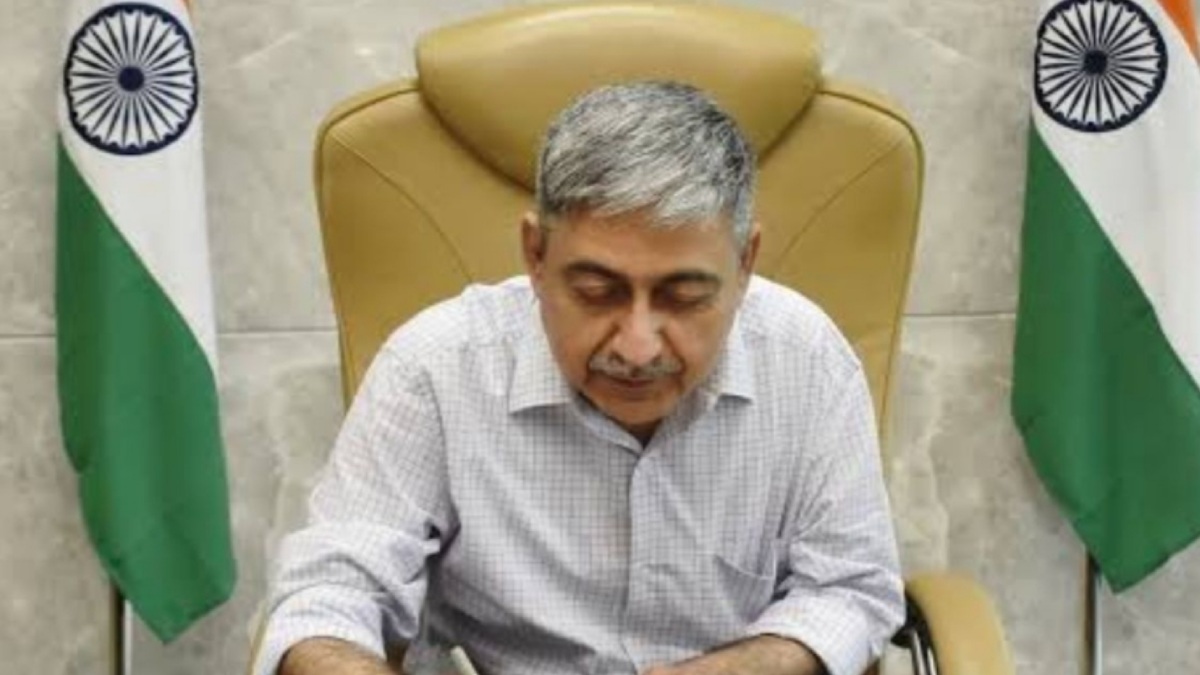
The Jammu and Kashmir government will release an Eco-Tourism policy within the next 6 months and will be able to work to promote sustainable tourism and protect the Union Territory's rich natural environment .
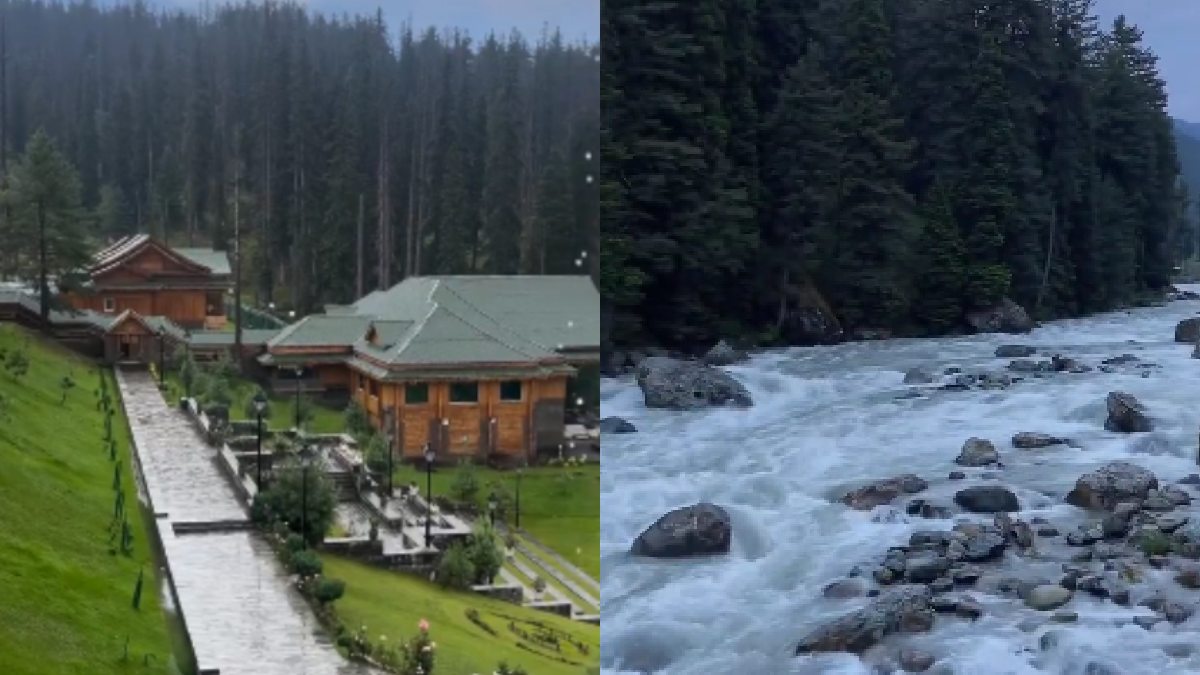
The model will be a sustainable development programme which can be used to balance the growth of the local economy with environmental conservation so local people can earn.
Jammu and Kashmir is one of the most beautiful landscapes in the world with the Himalayas, alpine meadows, forests, rivers, lakes and wildlife. As such, tourism is one of the major economic drivers of the region. But environmental degradation, waste management and pressure on fragile ecosystems have also been raised with the surge in tourist numbers.
The proposed Eco-Tourism Policy aims to combat these challenges by encouraging responsible travel practices and promoting eco-friendly tourism infrastructure. The policy will work to promote biodiversity, conserve natural resources and ensure that tourism development does not impact the environment, officials say.
Eco-tourism destinations are expected to be created with minimal environmental impact in the future policy framework.
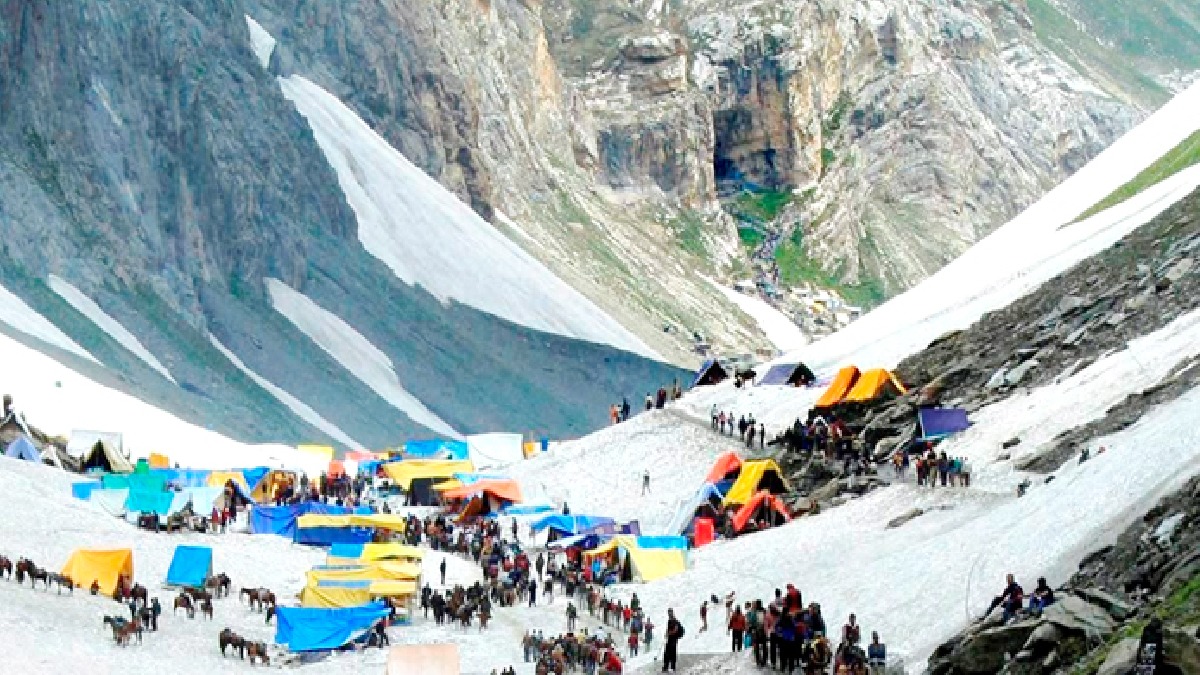
The government is planning to promote renewable energy, recycling options, waste disposal systems, water conservation and green accommodation options will be in place and local communities will be involved in tourism-related activities with municipal government, so that local people will have access to sustainable tourism services.
The new policy will encourage tourism in lesser-known places in Jammu and Kashmir rather than in the tourist bases in Gulmarg, Pahalgam, and Sonamarg. With diversifying tourism, officials do hope to alleviate overcrowding, and highlight the untouched natural beauty of the region.
Adventure tourism, birdwatching, trekking, nature trails, camping, wildlife tourism and cultural experiences are also expected to receive more attention under the eco-tourism framework. These activities can attract environmentally conscious travelers and generate employment for local guides, artisans, homestay owners, and small businesses.
Environmental experts have been behind this move; sustainable tourism is key to protecting the mountain landscapes in Jammu and Kashmir. But strict implementation and regular monitoring are the only way to make sure the policy is successful at its conservation goals, they say.
Governments will also have to collaborate well with environmental experts, tourism stakeholders, forest officials and local communities and local bodies in the implementation phase.
Public awareness campaigns may be introduced to the public to educate tourists on the necessary travel habits in the same way that they should be in the field of plastic waste management, wildlife conservation and other humane travel practices.
Industry experts think the new Eco-Tourism Policy will only strengthen Jammu and Kashmir’s position as a sustainable tourism destination.
It will not only make for better local people but also for the benefit of tourists to come over from other parts of the world and with global travelers who are increasingly looking for environmentally friendly travel experiences and the sustainable nature of the environment, the new policy will bring in international and domestic visitors to Jammu and Kashmir.
If implemented well, the policy could become a model for sustainable tourism development in other environmentally sensitive areas of India.
By marrying conservation with economic development, Jammu and Kashmir seeks to build a tourism ecosystem that provides for the environment and local people and nature.