A major milk adulteration scam has once again put India’s food safety standards under scrutiny, raising worries among consumers about the quality of one of the country’s most widely consumed food products. In fact, authorities have stepped up inspections in several regions as allegations of adulterated milk and dairy products have intensified, with new calls for tougher enforcement and more public awareness.
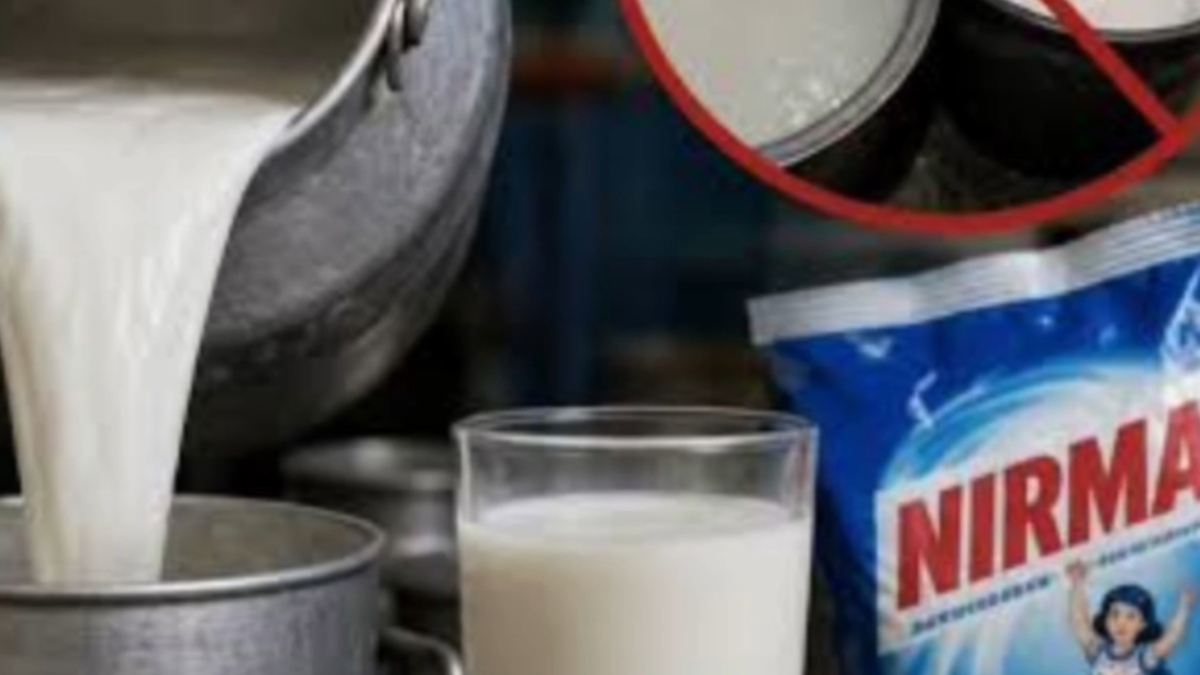
Milk is a must-eat food for millions of Indian households and children, adults and the elderly. It is used in tea, coffee, sweets, yogurt and so many more standard foods. But now that milk is so popular there is a huge potential for adulteration and a lot of dishonest suppliers want to make profit by not serving good food.
What is milk adulteration?
Milk adulteration is the use of unauthorized substances in milk to increase the quantity of milk, its appearance or to prolong the life of milk. In some cases adulteration is done with water and in others chemicals or other substances may be added.
Some common adulterants detected by food safety authorities over the years include:
Water to increase volume
- Detergents to make it frothy
- Starch to increase thickness
- Urea to artificially boost protein readings
- Synthetic chemicals that mimic the texture or composition of milk
- Neutralizers and preservatives used to delay spoilage
- Food safety regulations prohibit the use of such substances and public health cannot be compromised
What are the health risks associated with adulterated milk?
Health professionals say that adulterated milk over time can be dangerous to children, pregnant women, senior citizens and people with weakened immune systems.

Possible health concerns include:
Digestive problems like stomach pain, diarrhea, and vomiting. In severe cases, food poisoning. Kidney and liver damage from long-term exposure to harmful chemicals. Poor nutritional value due to dilution or contamination. Allergic reactions caused by unauthorized additives.
The health effects depend on the type and quantity of adulterants present in the milk.
Authorities Intensify Crackdown
Food safety agencies across India have stepped up inspections of dairy processing units, milk collection centers, transportation networks and retail outlets. Samples are being collected and tested in accredited laboratories and verified for food safety compliance.
The Department of Agriculture also stated that strict enforcement action will be taken against manufacturers, distributors and vendors that sell adulterated milk. Depending on whether it is a serious offence, the consequences could include heavy fines, seizure of licenses, product seizure and criminal prosecution in line with the food safety laws.
And so a nationwide crackdown will also help consumers with confidence in the dairy sector by ensuring safe and quality-tested milk gets out there.
How consumers can protect themselves?
Although regulatory bodies are the primary actors in ensuring food safety, consumers can also take some precautions:
Purchase milk from trusted and licensed brands or authorized vendors. Check packaging for manufacturing and expiry dates. Keep sealed packets intact before buying. Keep milk at the required temperature. Report suspicious products to local food safety authorities. Avoid buying milk from unknown or unverified sources.
Some home tests can detect some adulteration, but laboratory testing is the most reliable method for checking milk quality.
Importance of Food Safety
India is one of the largest producers and consumers of milk. The long-term prosperity of the dairy industry is not only about the public health of our people, but also the livelihoods of millions of dairy farmers who produce reliable, high-quality milk.
Experts say stronger surveillance, regular inspections, modern testing technologies, consumer awareness campaigns and harsher penalties can greatly reduce food adulteration.
Maharashtra Busts Synthetic Milk Racket Using Detergent Powder
— Typing Jobs | Blissful Living (@Indiasbestdeals) July 14, 2026
Maharashtra's FDA exposed a massive synthetic milk racket in Dharashiv district, where operators mixed detergent powder, palm oil, and chemicals into pure milkpic.twitter.com/sEYxdmuZYf
Consumers should keep informed and report suspected food fraud to the appropriate authorities. The protection of dairy consumers and producers can be achieved by collaboration between regulators, producers and the public.
It is a wake-up call that food safety is a shared responsibility and the investigations continue into milk adulteration. Enhancing quality control and enforcement will be critical to maintaining trust in India’s dairy industry and the health of millions of consumers.