A significant aspect played out in Delhi following the death of 26‑year‑old Tarun Kumar, at Holi celebrations in Uttam Nagar. The accused, Nizamuddin, with his neighbors, was accused of assaulting Tarun and killing him. So, the BJP‑ruled Municipal Corporation of Delhi (MCD) took to the bulldozers for a demolition action against Nizamuddin’s property. Its illegal dimensions were razed using bulldozers in heavily guarded areas, according to the report and which is said to have worth crores.
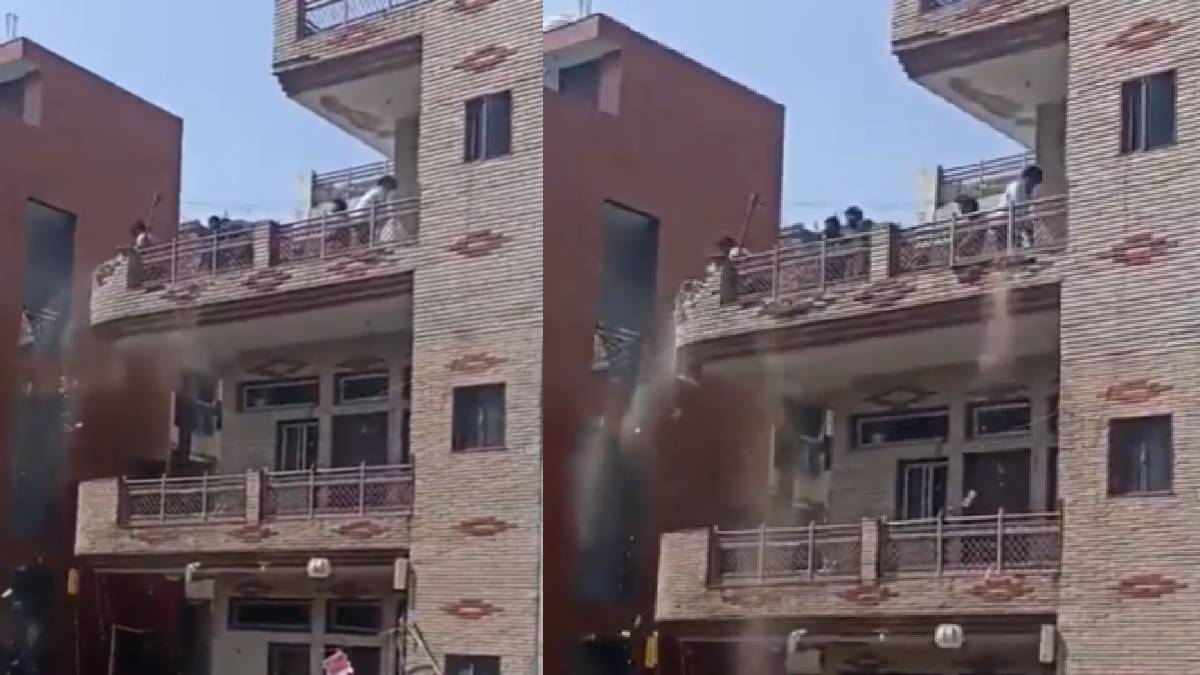
Tarun Kumar was celebrating Holi with friends when arguments about balloons turned heated. He was struck dead, causing outrage across the city. Shortly after, police arrested Nizamuddin and some other people, like minors, in connection with the event. The MCD officials, police and paramilitary forces accompanied by Nizamuddin’s house on March 8, 2026 in JJ Colony, Uttam Nagar. They demolished unauthorized structures that were clung to the mansion, citing breaches of building regulations.
The demolition wasn’t simply a matter of illegal construction, however, of symbolic importance. A powerful message was aimed at sending that those accused of heinous crimes will be severely disciplined for the crime they were convicted of. And the action brought into relief the government’s “zero‑tolerance” policy on law and order and also the extent to which bulldozer politics have reached beyond the border. For residents, it was a reminder that illegal structures would not be left unturned when tied to criminal cases.
The bulldozer action was quickly made breaking news on television and social media. Many in it were in favor of the arrangement, calling it justice for Tarun and his bereaved family. In the online space, hashtags referencing the demolition trended and citizens called for tougher crackdowns on crime. Yet others wondered whether the demolitions should be connected with criminal cases, and held that punishment should be decided by courts, not municipal authorities. The debate illustrated the widening rift around these measures in India’s urban governance.
MCD officials explained that the demolition was part of regular activities against unauthorized construction. During the operation, police kept security on high alert on the site to avoid any disturbances, he said. At the same time, investigations into Tarun’s murder continue and authorities promise that they will take tough legal action against all who commit murder with the full force against all those connected to it. The case has made news nationally, focusing as it did on the tragedy of the young man’s death and the government’s response to it.

The demolition of Nizamuddin’s mansion in Delhi after the Holi murder case was a grand gesture, merging the action of the police with an act of civic action. Only illegal sections of the property were razed, but the raid was symbolic. It underlined the seriousness of the crime and the government’s resolve to act forcefully. For Delhi that is so high‑profile, not only are they a reminder of the risks of the violence being used in celebration, but also for greater accountability in public safety.