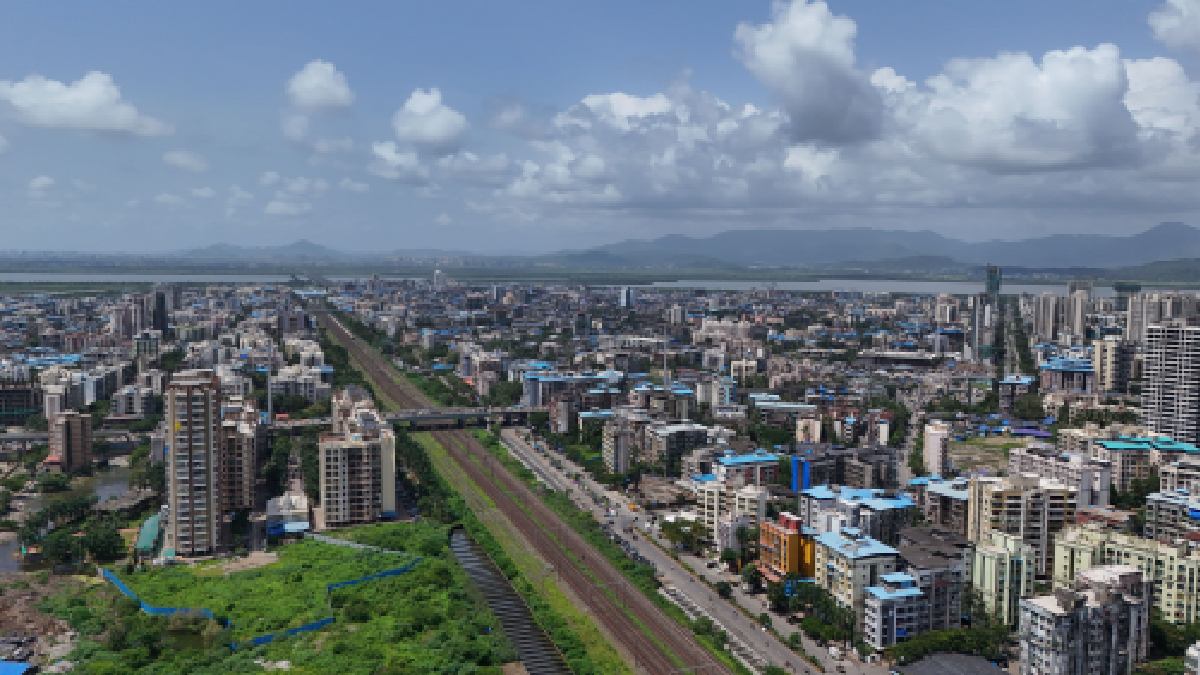
Mumbai Police have put up temporary restrictions prohibiting gatherings of five or more people from July 23 to August 6 to control the crowds. They have also asked people to cooperate with law enforcement and follow the guidelines properly.
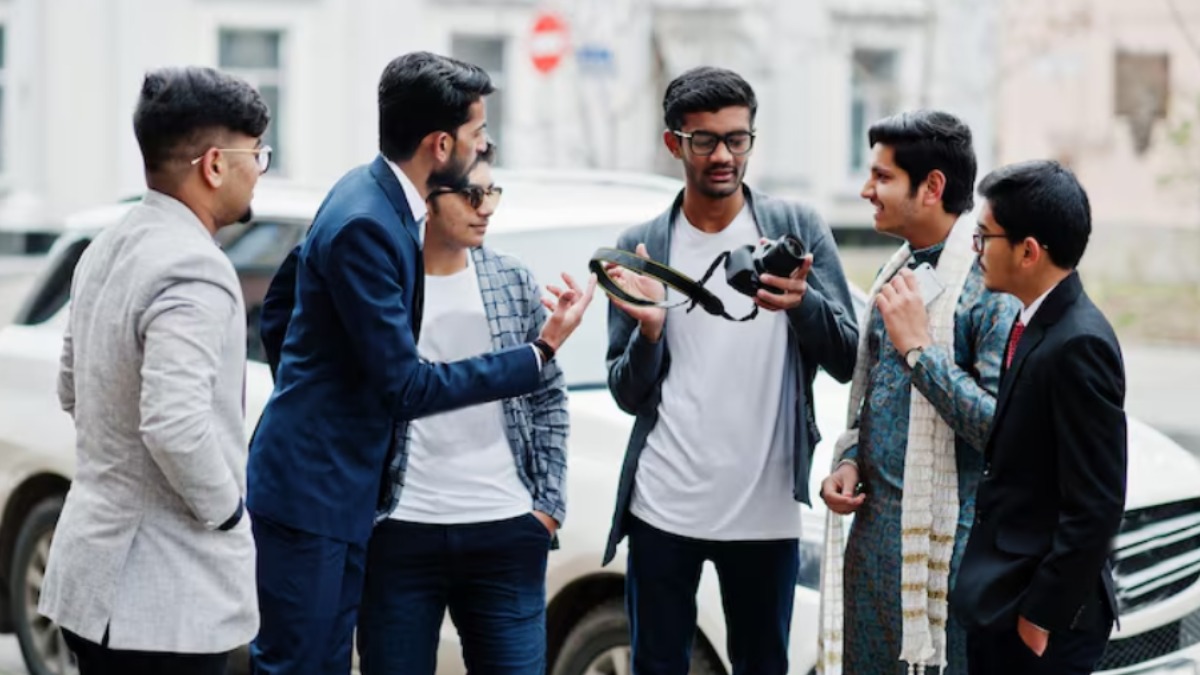
The prohibitory order mainly targets unauthorized public gatherings that could disrupt peace and public safety. Even the gatherings of five or more people in public places without prior permission are generally prohibited. Organizing public meetings, rallies, protest marches, demonstrations, and processions that may obstruct public movement or create law-and-order concerns is also not permitted unless prior approval has been obtained from the competent authorities. The order further restricts carrying objects that could possibly be used as weapons during public gatherings, and any activity that may pose a threat to public peace or security. Violation of these restrictions could lead to legal action under the BNSS and other relevant laws.
At the same time, officials said, the restrictions are not a citywide shutdown and that normal day-to-day activities will continue. Essential services and normal public life will continue to operate normally. Workers will be able to commute to work, education, and other essential places.
Public transportation such as Mumbai's suburban railway line, metro services, BEST buses, taxis, and auto-rickshaws will run as usual. Markets, shopping malls, grocery stores, pharmacies, hospitals, clinics, banks, offices, and commercial institutions will continue to be open as per their daily schedules.
Educational institutions and workplaces can continue to operate, and medical emergencies and access to healthcare services will not be affected. Religious activities will also continue as per applicable regulations and authorities' permission. Emergency services including police, fire departments, ambulance services, and disaster response teams will not be interrupted.

Police officials have suggested to citizens who want to organize and/or participate in public events (including cultural programs or community events) during the periods of restriction to get the permissions from the authorities and to verify event-specific guidelines and keep the government notified before they get involved in any public activity.
According to the Mumbai Police, preventive prohibitory orders are issued whenever there is a need to reinforce security arrangements, control crowds, or prevent situations that may disturb public order. They are usually implemented during major festivals, politically sensitive events, public demonstrations, or when intelligence signals that there is an elevated level of concern. It is not necessarily a warning that any imminent security threat exists, and it is a preventive order, they said.
They also urged the public to avoid spreading rumors or unsubstantiated information on social media or messaging platforms. Citizens are encouraged to rely only on official announcements made by the Mumbai Police, the Maharashtra Government, and other authorized agencies for accurate updates regarding the restrictions. Organizers of public events are advised to be in constant contact with local authorities for any changes and exemptions or any extra instructions during the enforcement period.
Failure to comply with prohibitory orders may lead to legal action under the Bharatiya Nagarik Suraksha Sanhita and other applicable laws. Police said they will take strict action against individuals or organizations found violating the restrictions. Police will also patrol sensitive and crowded areas to monitor compliance, manage public movement, and assist residents wherever necessary.
As Mumbai observes these temporary restrictions from July 23 to August 6, authorities have urged citizens to remain calm, cooperate with law enforcement, and continue their daily activities responsibly. Residents can help maintain public peace while ensuring that essential services and normal civic life continue without disruption during the notified period.