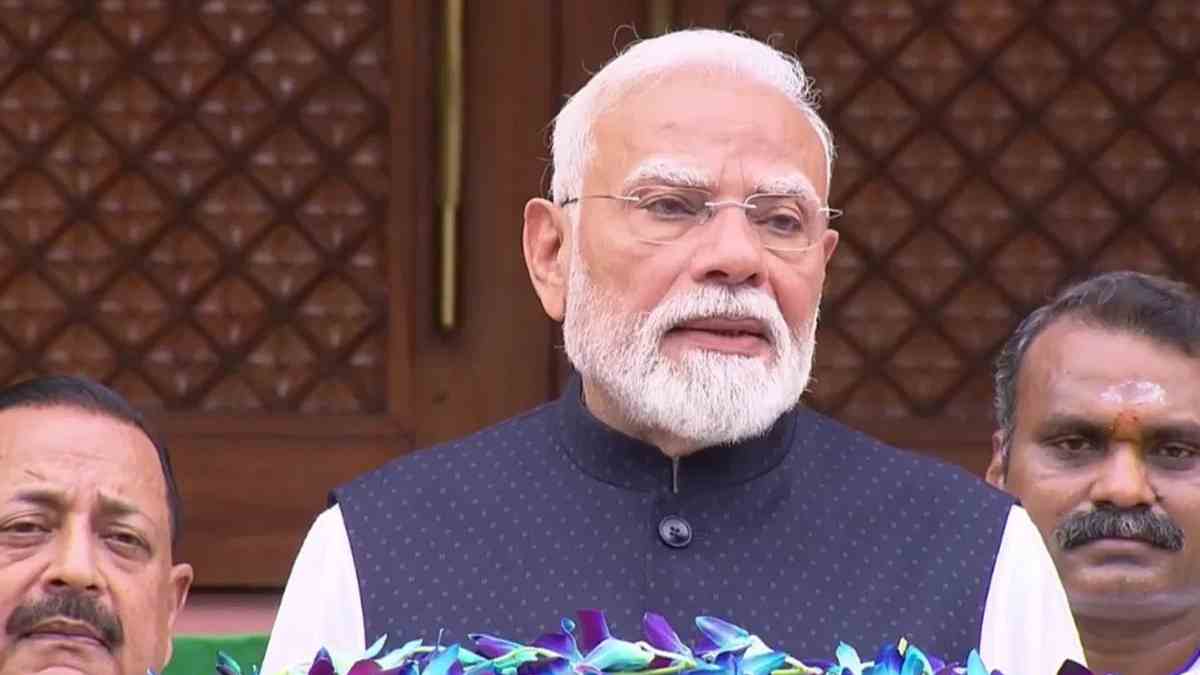
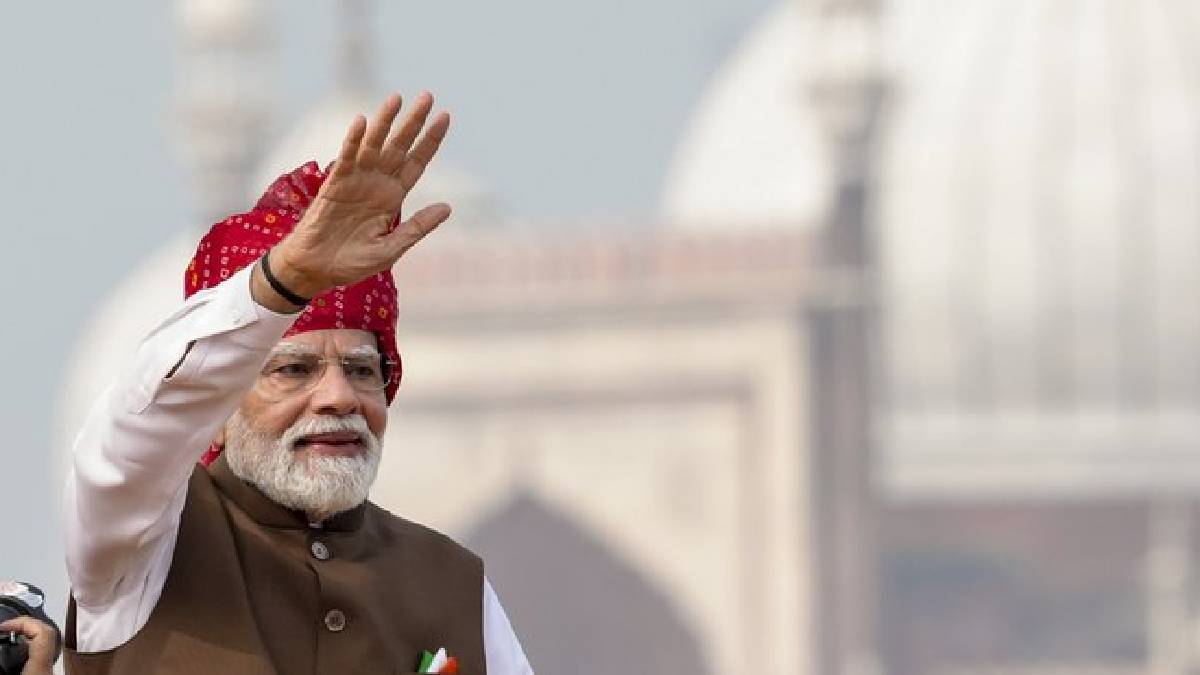
New Delhi: Narendra Modi visited the Sri Vinayaka Mandir in Delhi as he celebrated the 25th anniversary of going to public office. The temple visit added a spiritual dimension to a day of quarter-century political and public service that has a tradition of faith and tradition to it is a sign of the Prime Minister’s public duty in the Prime Minister’s life.
Modi has been in public office for over 25 years - from Chief Minister of Gujarat to Prime Minister of India. He has held some of the most important elected responsibilities in India and has been a major player in Indian politics.
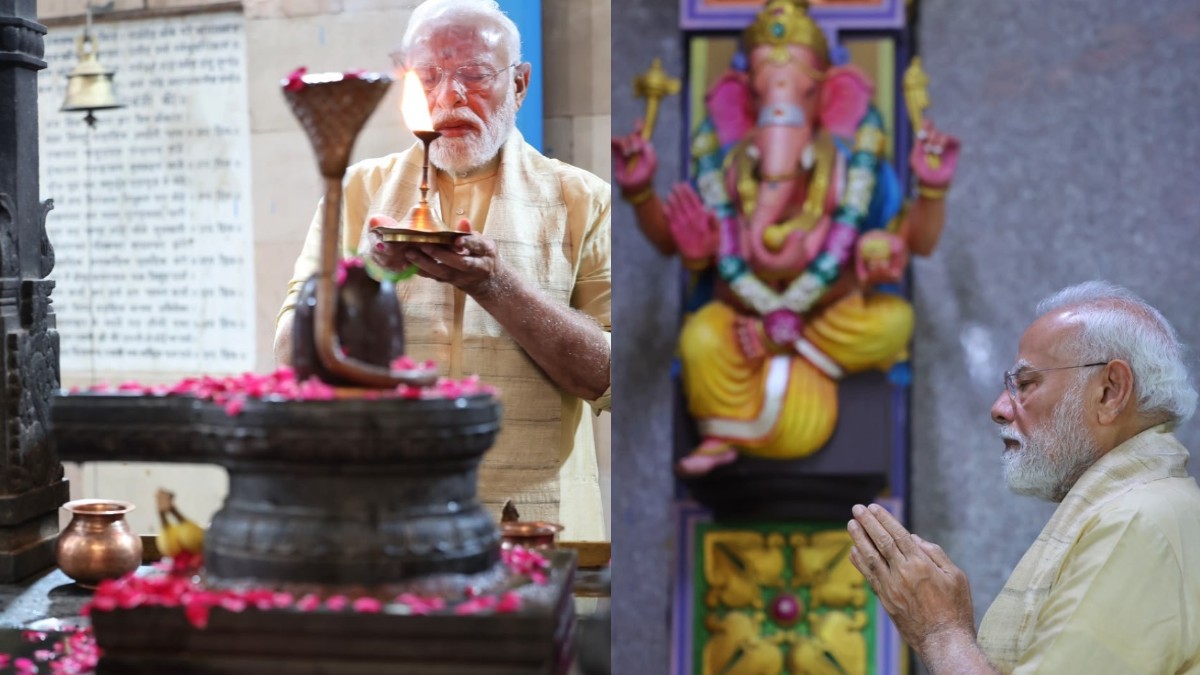
The visit to Sri Vinayaka Mandir was in keeping with the Prime Minister’s practice of marking important occasions with visits to places of worship. Modi prayed at the temple and asked for blessings, connecting the big step in his public journey with the moment of devotion.
A visit to a Ganesh temple is of great significance in Hindu belief system. Lord Ganesha is known to remove obstacles and as a god of good fortune and prosperity. Devotees often seek Ganesha's help in launching projects or major milestones.
For Modi, the temple visit came against the backdrop of a political career that has ranged across several phases of India’s recent history. His 25 years of service as a public servant is long, starting at the state level and reaching the highest elected executive office in the country.
Modi became Chief Minister of Gujarat in 2001, and served for more than 12 years in the position. In 2014 he became Prime Minister after the Bharatiya Janata Party won a majority of the Lok Sabha elections. He returned to power after 2019 general elections and started a third term as Prime Minister after 2024 Lok Sabha elections.
Modi’s political career has been characterized by major policy plans, economic programs, infrastructure projects, and a transformation to India from an India-first country to a country that is always in the global arena. His supporters have advocated development, governance and India's global standing and the opposition has repeatedly challenged his policies and administration.
So 25 years is a significant political milestone in India. So far, few contemporary Indian political figures have served in government and with such a high profile, they are moving up from state leadership to national government.
The temple visit also offered a quieter setting amid the political significance of the occasion. Rather than only political speeches or official events the Prime Minister’s visit brought the milestone into his personal and spiritual life.
Political leaders’ religious visits are widely reported on by people in India because temples and places of worship are deeply embedded in the country's culture. For a supporter, such visits are a sign of humility, gratitude and the desire for divine blessing, so as to avoid public duties.
The occasion also has the opportunity to reflect on the arc of Modi's political career. His early political career from his early days as Chief Minister of Gujarat and then Prime Minister has been inextricably linked to the rise of Bharatiya Janata Party as a powerful political party at the national level.
आज नई दिल्ली के श्री विनायक मंदिर में पूजा-अर्चना की। भगवान श्री गणेश से देशभर के अपने परिवारजनों की सुख-समृद्धि और उत्तम स्वास्थ्य की कामना की। विघ्नहर्ता की कृपा से सबका कल्याण हो और देश निरंतर प्रगति के मार्ग पर आगे बढ़ता रहे। https://t.co/ZPADyotAFk
— Narendra Modi (@narendramodi) October 7, 2026
Hence, the Sri Vinayaka Mandir visit is symbolic of his public service for Modi that is a symbol of prayer and reflection. Because Modi will turn 25 now as a politician and has been in office since 1992, not only does this prove that he is a long way from retirement now, but it also shows that his public responsibilities are not only in line but that he holds the portfolio.
The Prime Minister’s visit to the Delhi temple so very much combined spirituality with a very important political milestone in Delhi. For him as he continues his public journey, the time was a perfect opportunity to seek God’s permission and reflection of the years of service that have shaped one of the most significant political careers in contemporary India.