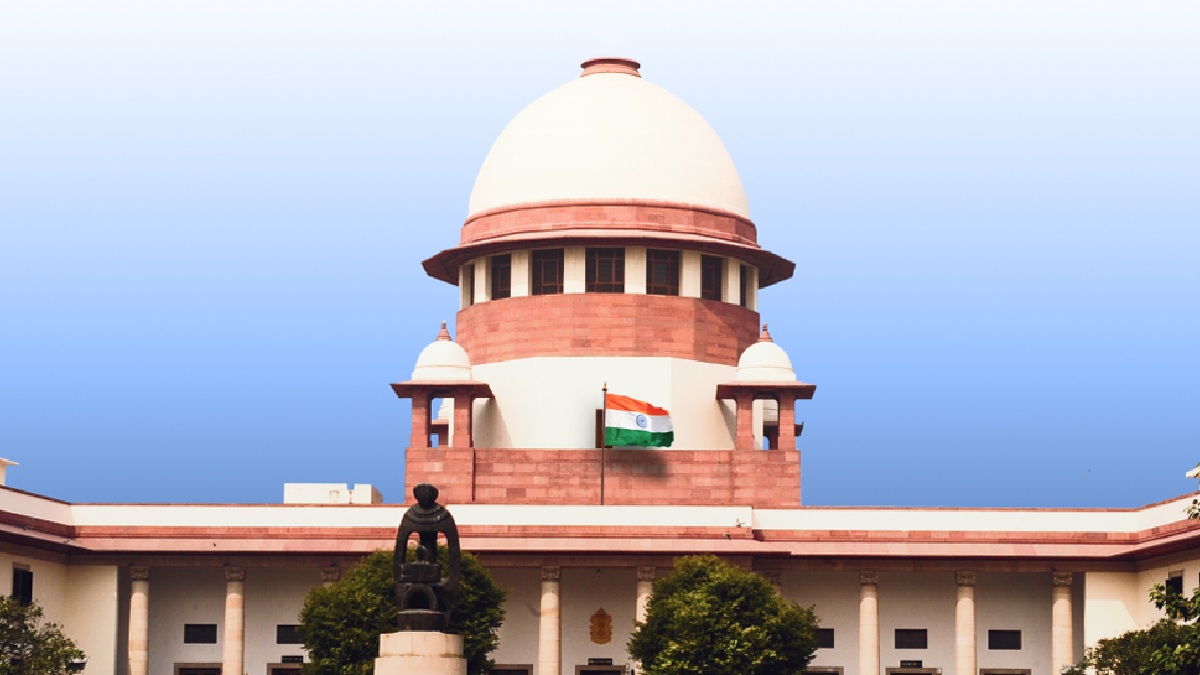
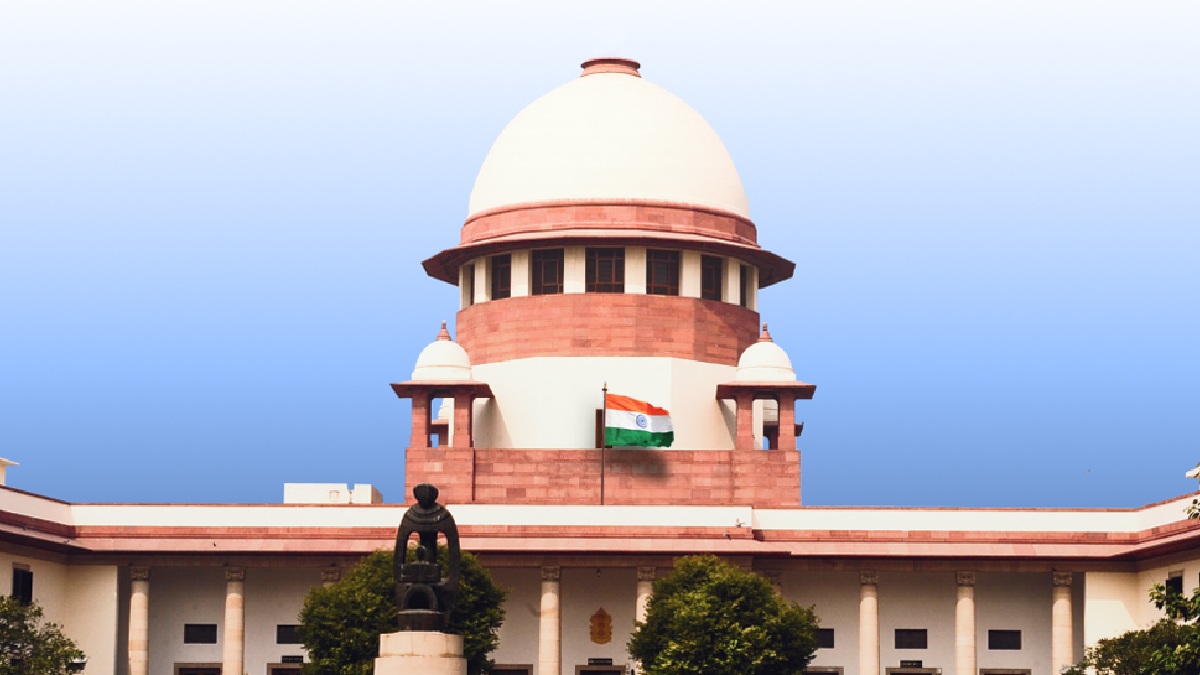
The Supreme Court on Tuesday closed a long-standing seven-judge Constitution Bench reference on the issue of legislative privileges and the fundamental right to freedom of speech and expression. The court called the proceedings “infructuous” after taking into account the fact that the Tamil Nadu Legislative Assembly had withdrawn the resolution that triggered the case back in 2004.
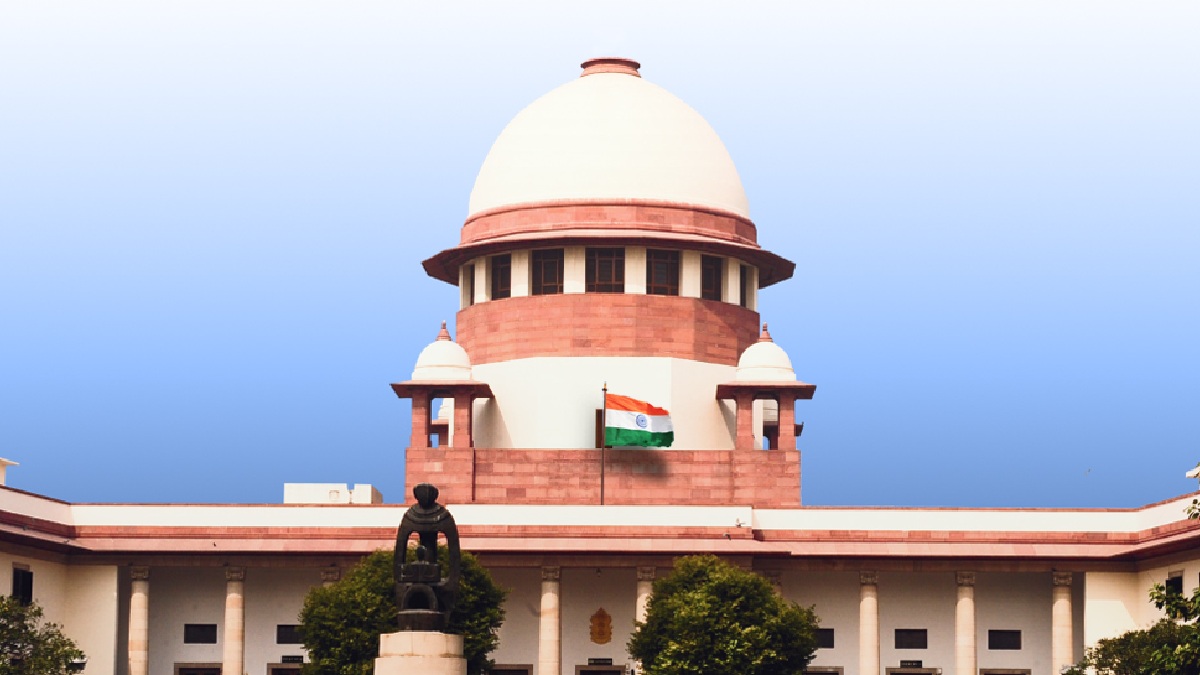
A seven-judge bench headed by Chief Justice of India Surya Kant and comprising Justices Aravind Kumar, Prashant Kumar Mishra, Joymalya Bagchi, Vipul Pancholi, Shree Chandrashekhar and V Mohana decided the matter without resolving any of the larger constitutional questions. The court made it clear that those questions have not been settled and can be considered in an appropriate case in the future.
The case had been pending for more than two decades and was about how much legislative privilege exists for State Assemblies and its relationship with citizens’ constitutional rights, the right to speech and expression.
Why The Supreme Court Closed The Case
The proceedings stemmed from a 2003 Tamil Nadu Assembly resolution. The Assembly initiated privilege proceedings over publications critical of the then Tamil Nadu government and ordered action against journalists.
The journalists approached the Supreme Court, which stayed their arrests. That dispute then led to questions about whether legislative privileges could prevail over fundamental rights and if courts might review the exercise of such privileges.

The matter was referred to a five-judge Constitution Bench in December 2003. The five-judge bench later found conflicting views in earlier Supreme Court judgments and found that the issue needs to be handled by a larger bench. As such, it was admitted to a seven-judge Constitution Bench.
But the decisive step came when the Tamil Nadu Assembly's resolution in 2003 was withdrawn in 2004. That fact was brought to the Supreme Court's attention only shortly before the seven-judge bench was scheduled to start hearing the reference.
2003 Assembly Action Triggered The Constitutional Dispute
The dispute dates back to 2003 when the Tamil Nadu Legislative Assembly took action against journalists over publications about the functioning of the House and the then State Government.
The privilege proceedings resulted in a resolution against members of the newspaper’s editorial staff. The journalists challenged the action before the Supreme Court and the legal dispute was ongoing long after the arrests and punishment were done.
At the center of the argument was the relationship between Article 194 of the Constitution, which deals with the powers and privileges of State Legislatures, and fundamental rights including Article 19(1)(a), which guarantees freedom of speech and expression. Article 21 also figured in the larger constitutional questions that the proceedings covered.
Earlier Supreme Court decisions had taken different approaches to the relation between legislative privileges and fundamental rights. The contradictory legal positions were one of the reasons why the matter was finally brought before a seven-judge bench for an authoritative ruling.
Tamil Nadu Assembly Withdrawal Came To Light Before Hearing
The Supreme Court was informed on October 5 that the Assembly had already withdrawn the disputed resolution in 2004. Senior Advocate Raju Ramachandran, appearing for Tamil Nadu Assembly, told the court that the development had apparently not been brought on record earlier.
The disclosure came just before the seven-judge bench was to take up the reference. Chief Justice Surya Kant said the court would not have done an academic exercise if the dispute no longer existed.
The court subsequently considered the 2004 withdrawal and concluded that the cause of action behind the reference no longer existed. The court also observed that the withdrawal of the original resolution had escaped the court's notice while considering the reference.
Since the event that led to the litigation had effectively been reversed, there was no live controversy for the Constitution Bench to adjudicate in the present proceedings.
Larger Free Speech Questions Remain Open
Although the case has been closed, the Supreme Court has not ruled on the larger constitutional questions raised by it.
The bench left questions of law open for a future case. That means the court has so far not been able to decide whether legislative privileges are a substitute for fundamental rights in cases where they are challenged by other citizens.
The distinction is important since legislative privilege is one of the main constitutional protections for parliamentary and legislative functioning and freedom of speech is another. The balance between the two can be most significant when legislators or legislative bodies take action against individuals outside the House.
The issue might well return before the Supreme Court in another time in the future if it is a live controversy that requires an authoritative constitutional interpretation.
Case Had Been Pending For More Than Two Decades
But the reference was unresolved for over 20 years before the Supreme Court set in 2026 to hear the case on a seven-judge bench. The hearing was expected to address the extent of legislative privilege and how it is intertwined with freedom of speech.
Several journalists, media organisations and civil society representatives had also wanted to attend the proceedings, which reflects the importance of the issue for press freedom and public criticism of legislative bodies.
But the withdrawal of the 2003 resolution fundamentally changed the position. Without the original action in place, the court concluded that making the reference would amount to answering a question without a live dispute before it.
A Light Moment After The Brief Hearing
After the order, Senior Advocate A M Singhvi made a lighter comment that the court had perhaps set records for the shortest hearing and quickest disposal of a seven-judge matter. The comment was made after the bench closed the long-pending reference without entering into the substantive constitutional questions.
The short hearing ended a case which had been on the Supreme Court’s docket for more than two decades. Now that the immediate litigation is over, the legal issues that compelled the seven-judge reference remain unanswered.
The Supreme Court’s decision therefore closes the particular case of the 2003 Tamil Nadu Assembly resolution, but does not settle the broader constitutional controversy over legislative privilege and freedom of speech. Those questions remain to be considered when a future case presents the court with a real controversy requiring an authoritative ruling.