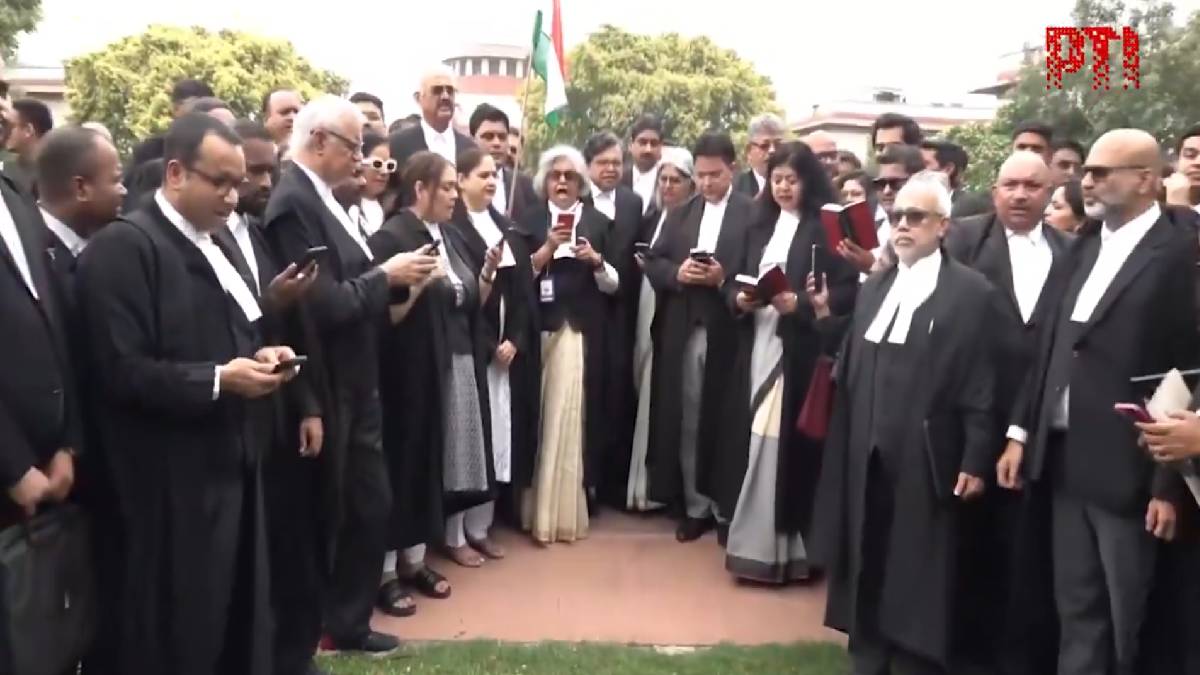
The Supreme Court on Thursday called for a comprehensive review of women’s safety measures in Delhi-NCR after suo motu cognisance of a series of recent reports of sexual crimes. A bench of Justices J B Pardiwala and K Vinod Chandran has asked authorities to assess whether existing preventive and monitoring systems are working on the ground, particularly in public spaces, educational institutions and other places frequently used by women and children.
The court's intervention comes against the backdrop of several disturbing incidents reported in Delhi-NCR, including the alleged gang rape of a 17-year-old girl at Aastha Kunj Park and the alleged sexual assault of a minor inside a moving sleeper bus travelling from Greater Noida towards Delhi. The cases raised questions about institutional mechanisms to protect women and children, the Supreme Court said.
Justice Pardiwala said there were painful parallels with the 2012 Nirbhaya case and questioned whether law-enforcement mechanisms had made significant progress over the years. But the court made it clear that suo motu proceedings are not about the guilt of individual accused persons but rather about the institutional failings and whether preventive, monitoring and response mechanisms are working in place.
Supreme Court Wants Concrete Preventive Measures
The Supreme Court has sought a comprehensive status report on safety arrangements in parks, roads, public transport facilities, markets, educational institutions and other public spaces frequented by women and children.
And authorities have also been asked to explain whether these arrangements still work in the late evening and early morning hours, when visibility and public footfall may be lower. The court’s concern is not just that safety schemes have been announced but whether they are in operation and provide early protection.
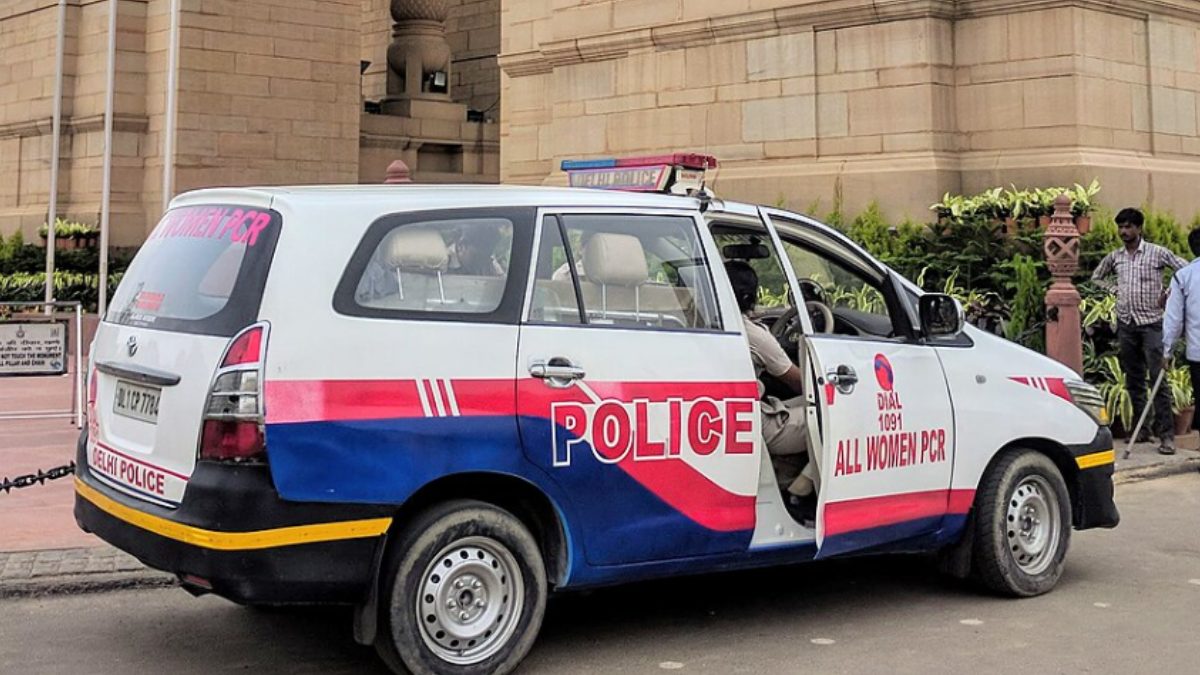
As the court has said: “We have always stressed that public spaces shouldn’t become high-risk areas because of poor lighting, surveillance, weak patrolling or other preventable administrative deficiencies.”
The directions are especially significant because the court is seeking measurable information and not only promises of assurances from authorities are needed. It wants officials to show how existing safety mechanisms are being implemented and monitored.
Delhi Police Asked To Examine Sexual Offender Database
One of the major areas under scrutiny is the National Database on Sexual Offenders (NDSO). The Supreme Court has asked Delhi Police to explain how the database is being used for antecedent verification and identification of repeat or habitual sexual offenders.
The court has sought information on how frequently the database has been accessed during the last five years and whether information available through it is being translated into lawful preventive measures.
That is just one of the areas in which the direction highlights the need to use existing technology and information systems as part of crime prevention. The court wants authorities to explain in detail how information can assist in identifying patterns and support lawful preventive action and not just to collect information after an offence has taken place, rather than to simply record it after that.
The Supreme Court has also asked the Ministry of Home Affairs to provide details about the Investigation Tracking System for Sexual Offences, or ITSSO. The court wants to know how investigations are monitored, which officers are responsible for tracking statutory timelines and what remedial action is taken when investigations are delayed.
Colleges And Student Safety Under Focus
In particular, educational institutions have been given special attention from the Supreme Court. It has asked authorities to investigate safety arrangements around colleges and other areas in which female students frequently go to study and take part.
The matter was particularly significant because the Supreme Court’s order was in reference to previous complaints of repeated sexual harassment against students of Lady Shri Ram College for Women in the vicinity of Aastha Kunj Park. Such complaints needed to have been followed up on by stronger patrolling and vigilance before another alleged crime happened, the court ruled.
The court’s overall approach, therefore, is not only policing after an incident but also the identification of areas at which repeated complaints, poor infrastructure or insufficient surveillance may indicate that there are high risks.
The Delhi Police has since made outreach in university areas. In one initiative, police officers walked with students around Delhi University’s South Campus to identify dark, isolated and deserted areas that students believed were unsafe when traveling between colleges, metro stations, paying guest accommodation and homes.
Vulnerable Areas To Be Mapped And Audited
The Supreme Court has ordered police teams in Delhi’s police districts to survey vulnerable areas. The exercise is intended to identify areas where factors including poor lighting, inadequate surveillance, inadequate patrolling, abandoned structures or weak access control could increase the risk of crime.
The court has also sought information on the functioning of existing safety mechanisms, such as technology-based systems and government programmes aimed at women's safety. Such systems need to be explained to the authorities in terms of how they work, not as an option where they are listed as a scheme in the system.
The larger goal is to create a system in which vulnerable locations are identified before incidents occur and corrective action can be taken. This could include improvements to lighting, surveillance, police presence and emergency response, depending on the assessments.
Court Also Looks At Investigation And Trial Delays
The Supreme Court’s scrutiny extends beyond crime prevention to investigating and prosecuting sexual offences. Fast Track Special Courts and Exclusive POCSO Courts in Delhi have been asked about their functioning and the pendency of cases.
The aim is to know the current status of these courts, their functioning and the pendency of cases. The court’s direction therefore runs the entire chain—from identifying vulnerable locations and preventing crimes to investigating allegations and ensuring that cases move through the judicial system.
The approach reflects the court’s larger concern that women’s safety cannot depend on a single intervention. Police patrols, infrastructure, surveillance, investigation systems, offender monitoring and judicial systems are all part of the public-safety framework.
Supreme Court Lists Case For Further Hearing
The Supreme Court has issued notice to the Chief Secretary of the Delhi government, the Commissioner of Police and the Registrar General of the Delhi High Court. Senior advocate Liz Mathew has also been appointed as amicus curiae to assist the court.
The matter will be heard again on October 5, 2026. The authorities will have to put their reports before the court and the bench will have to decide if those measures are sufficient or if they need further intervention.
The court has also stressed that reporting on sexual offences must be responsible and sensitive and should not be sensationalist or graphic, and is also under strict rules regarding the anonymity of victims’ identities.
The Supreme Court’s intervention thus puts the emphasis on prevention, accountability and implementation. Rather than treating each incident in isolation, the current investigations are looking at whether Delhi-NCR has adequate systems to identify vulnerable areas, monitor repeat offenders, protect students and women in public spaces, respond quickly to threats and ensure that sexual offence cases are properly investigated and prosecuted.