Delhi’s women’s protest is also bringing attention to the struggles of the women participating in the demonstration not only from the problems they encounter with the demonstrators but also from the lack of facilities in which they can live. As the protest continues, women are seeing that they are not able to leave the demonstration because of the lack of toilets (for example, clean toilets, safe drinking water, and adequate sanitation facilities) at the demonstration site.
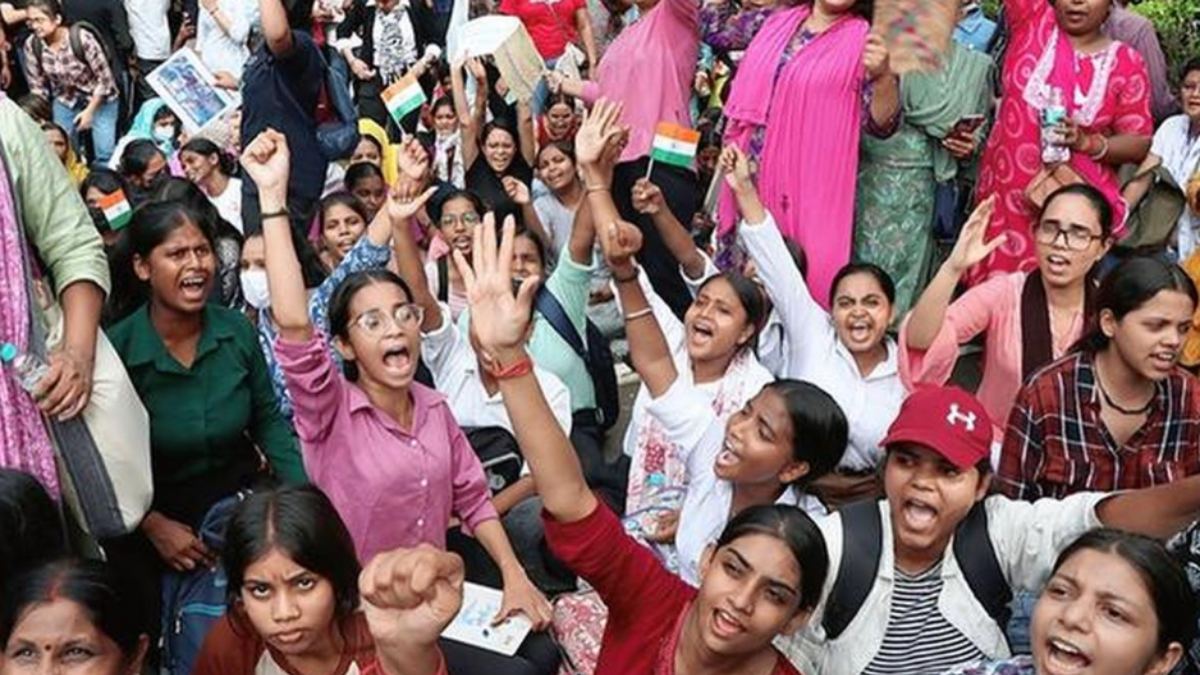
Jantar Mantar has long been one of India’s most peaceful public spaces for protests and demonstrations. People and groups from across the country come to the place every year to discuss issues ranging from social justice and employment to farmers’ rights and policy changes. But the latest protest has again highlighted what protesters (especially women) are put up with when civic facilities are not there, or if they are not available.
Women participating in the demonstration said that access to clean toilets is one of their biggest worries. They said they have to walk miles to find toilets that are usable or wait for hours because there have never been enough toilets. Lines get longer during protests and are more difficult for elderly women and children.
Protesters also mentioned the absence of drinking water in the venue as well as sanitation problems among their experiences in addition to the problem of drinking water in particular. Volunteers, charitable organizations, or supporters who distribute bottled water and refreshments from the venue are still there, among others, who serve up water and refreshments to the crowd of people. As huge crowds gather around the city from day to day in Delhi’s hot weather, it is hard for many people to have a constant supply of clean drinking water in sight in order to keep in line with the need for drinking water for their health, especially in the heat of the day.
Another serious issue is a lack of good hygiene facilities. Women at the protest said that handwashing stations and sanitation supplies are scarce and health and cleanliness concerns are high.
Some protesters also emphasized the problems for seniors and women with medical conditions. They said poor infrastructure makes it difficult for the most vulnerable to stay at a site for a long time. Some women said they have been forced to limit food and water consumption to curb their intake to avoid the need for bathroom visits, which health experts warn could have negative effects.
Volunteers with the protest have been working to provide temporary relief through drinking water, snacks, and hygiene products. Community organizations and supporters have also assisted whenever possible. But most of the protesters say these measures can’t replace the permanent civic facilities that need to be present at protest venues.
Human rights professionals and civil society organizations have maintained for decades that peaceful assembly is a democratic right, and that authorities should guarantee protesters access to toilets, drinking water, waste disposal systems, and medical care. They say basic amenities are not luxuries but necessities that citizens need to be able to enjoy the democratic freedoms they have and feel safe.
Such concerns have also been shared on social media, with many users expressing concern for women at the protest site. Some said the authorities should also improve sanitation and public utility services at the demonstration sites, while others said volunteers have been stepping up to help protesters.
Urban planning experts also say that protest spaces should be big enough to accommodate large crowds for longer periods of time. Temporary mobile toilets, additional drinking water stations, medical camps, and waste management facilities can improve conditions without causing public disorder, they say.
The protest is ongoing, and the immediate concerns they have extend beyond the issues they’re protesting for. They’re not only more dependent on clean water, safe sanitation, and hygienic facilities; at the same time, they have had to live up to what’s been said in the past, which is not so easy to do today.
The situation at Jantar Mantar has once again brought home the necessity of providing basic civic infrastructure at public demonstration sites. For no matter what kind of protest there is, access to basic facilities is fundamental to the dignity, health, and safety of all participants, particularly women, senior citizens, and other vulnerable groups.