In another high-profile, yet still halting, display, US President Donald Trump expanded the current truce with Iran, slicing a peace break while the United States troops remain on high alert. It’s the difficult question to answer in the realm of soft power; it’s nothing new.
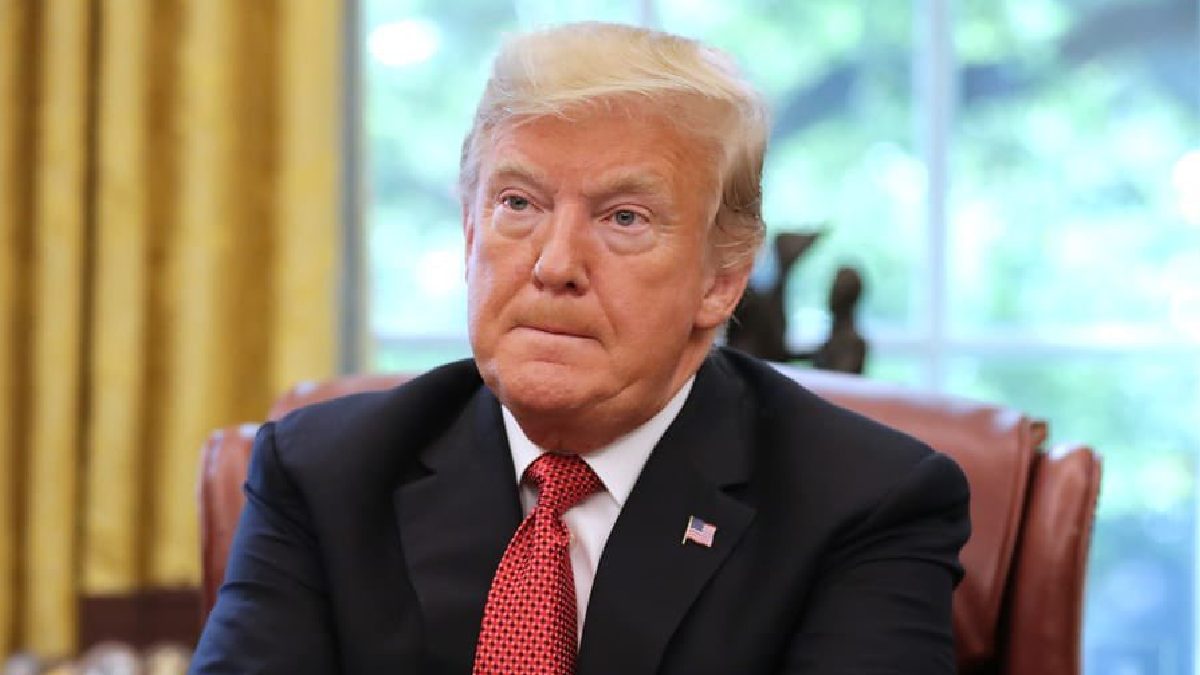
The ceasefire was set to expire this week, but has since been extended indefinitely. Trump confirmed that the extension would be valid until Iran makes a “unified proposal” and those talks are fully concluded. Pakistani mediators have previously asked for that extension, and they help facilitate a negotiation between the two sides.
But while there is an extension, and that extension does exist, the United States has not employed that strategic leverage. Trump has repeatedly indicated that the United States military is still “ready and able,” with a naval blockade on Iranian ports, as well as on ships.
It’s that hybrid strategy, one that balances the check on attacks while leaving something to be desired by the military presence, that reflects Washington’s intention not simply to make Tehran negotiate but not to transfer the posture of weakness to the next stage of its diplomacy. It is already difficult in the ground situation.
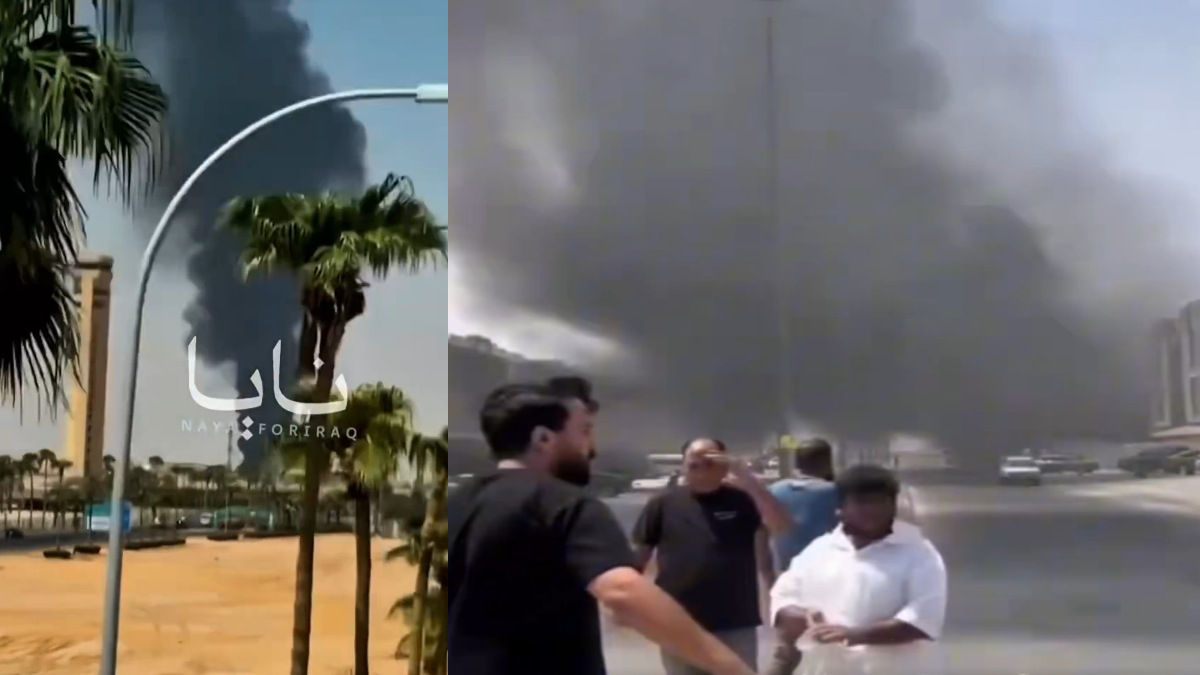
The Strait of Hormuz, a vital international oil transit route, is still disrupted, and the impact is upending energy markets, fueling worries about suppliers worldwide. Even though the cease-fire provides temporary relief from tensions, analysts warn that the leaders still wrestle with large geopolitical risks.
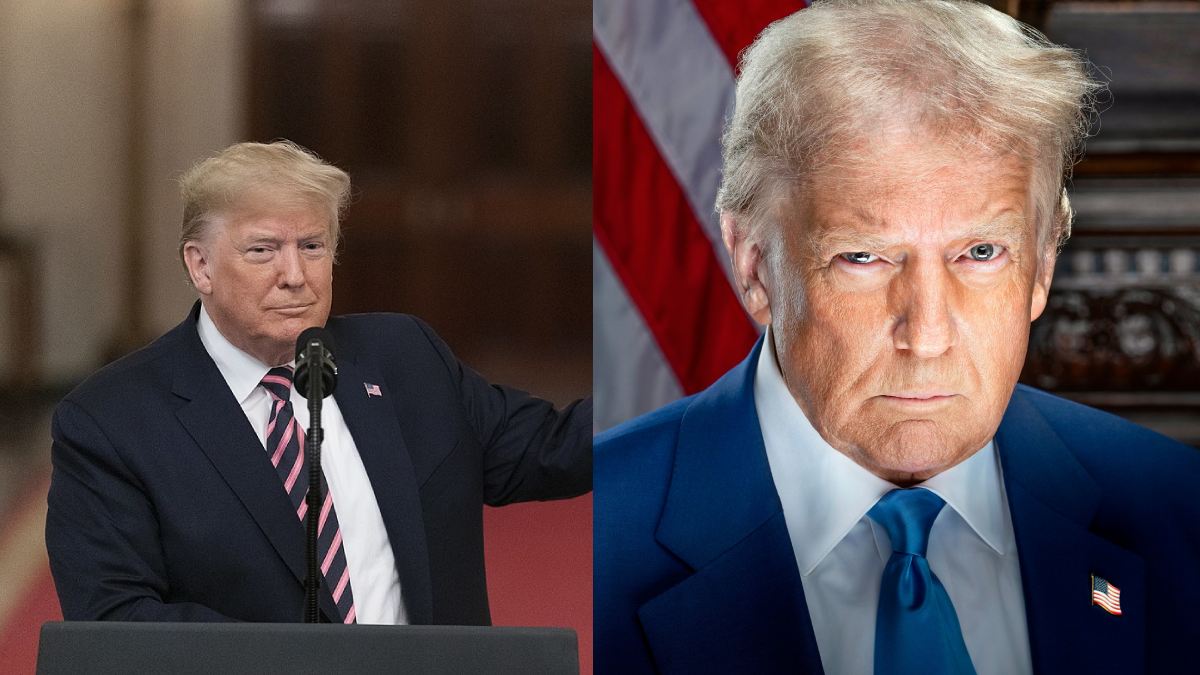
To make matters even messier, Iran’s leadership has that kind of internal division. Trump has described the Iranian government as “seriously fractured,” saying Tehran’s inability to impose a single negotiating position has bogged down peace negotiations because it lacks a uniform stand for peace negotiations.
Iranian officials have interrogated the American intentions for that position as if Washington is exploiting this ceasefire as a way to resolve differences. Trump has mentioned that military intervention may resume if the talks have not come to a solution and may end in failure.
His blunt statement that “lots of bombs” could come after a truce fails is intended to show that this truce still has a fragile grip. The shift has given global markets a tepid pulse. US stock futures briefly rose on the announcement, but oil prices have marched higher in the wake of ongoing supply headwinds connected to the war.
The ceasefire extension provides the country time, but not stability. Diplomacy is brittle, and the military is still on standby in the crisis, which is still very volatile. But whether that pause results in an enduring solution must be decided, because fresh confrontations will surface in the following days and, finally, whether it will conclude will be determined by how well each side works over the next few days.