On September 29, the Supreme Court quashed Mulla Afroz’s preventive arrest in the Sambhal violence case, ruling that a detention order under the National Security Act cannot be based on the confession he allegedly made in police custody. The court also imposed costs of Rs 10 lakh on the Uttar Pradesh government over the detention order.

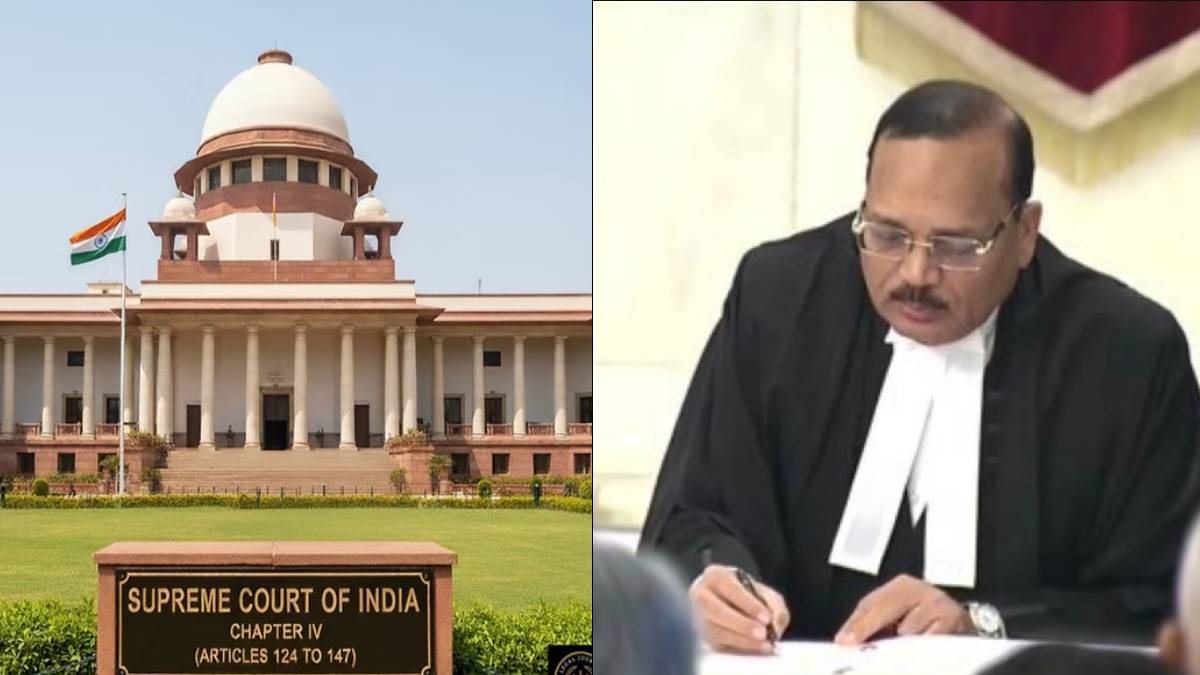
A bench headed by Justice Dipankar Datta and Justice Sheel Nagu reversed the Allahabad High Court’s earlier decision which held Afroz to be in preventive detention under the National Security Act. The Supreme Court held that preventive detention had been illegally exercised in the case.
The ruling is not a conclusion on the merits of the charges related to Sambhal violence. Instead, the judgment was on the legality of the preventive detention order and the material used by the authorities to justify detention under the NSA.
Supreme Court Questions Basis Of NSA Detention
The issue before the Supreme Court was whether the preventive detention order could be upheld on the basis of a confession attributed to Afroz while he was in police custody.
The bench ruled that a confessional statement made before police could not, in itself, provide sufficient legal basis for preventive detention under the NSA. The court stressed that authorities should investigate the surrounding circumstances and other relevant material before applying such a stringent preventive detention law.

Preventive detention is different from criminal prosecution. It allows authorities to hold a person to prevent anticipated threats covered by the law, not as punishment after a criminal conviction.
As preventive detention is such an important restriction on personal liberty, courts are very conscious of whether the statutory requirements in place have been properly adhered to. The Supreme Court’s decision now reinforces the requirement that authorities have to think hard about the facts rather than rely on a single piece of information.
Allahabad High Court Order Set Aside
Mulla Afroz's detention had been upheld by the Allahabad High Court. The matter then went to the Supreme Court, and the legality of the NSA detention was examined.
The Supreme Court has now set aside that High Court judgment and that detention order. From the reports on the ruling, the court concluded that the detaining authority had not appropriately considered the relevant facts before exercising the preventive detention power.
The Rs 10 lakh cost for the Uttar Pradesh government is another important part of the judgment. This financial penalty follows the court's finding that the preventive detention power had been illegally exercised in this case.
What Is The National Security Act?
The National Security Act, also known as the NSA, is a preventive detention law. It allows detention in specified situations where authorities believe it is necessary to prevent conduct that may harm national security, public order or other interests covered by the legislation.
Preventive detention is different from imprisonment after conviction in a criminal case. A person detained under a preventive detention law is not necessarily being punished for a crime through that detention, but rather that the law is intended to prevent anticipated activities falling within its scope.
This distinction is very important to procedural safeguards. When a detention order is challenged, the courts can investigate whether the statutory conditions were met and whether the detaining authority properly considered material before it.
Custodial Confessions And Preventive Detention
The Supreme Court’s observations on custodial confessions are key in this ruling. The court held that a confession allegedly obtained while a person is in police custody cannot, standing alone, sustain an NSA detention order.
The ruling emphasises that authorities need to take into account other situations in the context when deciding whether preventive detention is legal. This is where the quality and relevance of the overall material considered by the detaining authority comes in.
So the judgment has an impact beyond the specific case and it is another reminder when authorities choose to take preventive detention into account.
Background To The Sambhal Violence Case
The case of Afroz relates to the violence that took place during Sambhal in November 2024. Afroz has been named in reports as an accused in the case and a key conspirator. He was in Moradabad jail at the time of the Supreme Court proceedings.
The Supreme Court’s decision concerns his NSA detention and should be separated from any separate criminal proceedings or allegations arising from the violence. A person’s preventive detention does not in itself determine whether a person is guilty or innocent of the underlying criminal allegations.
Such a distinction is really important to understand the latest development. The court’s attention was on whether the preventive detention order complied with the legal requirements governing the use of the NSA.
Why The Supreme Court Ruling Matters
The ruling points out that courts must strike a balance between the state’s power to use preventive detention and the individual right to personal liberty. Preventive detention laws give authorities the ability to prevent potential threats before they are ever made, but those powers are subject to legal safeguards and judicial review.
The Supreme Court has shown, by putting the detention on hold and imposing Rs 10 lakh in costs, that authorities need to carefully investigate the material for a preventive detention order.
The September 29 decision is therefore a significant development in the Sambhal violence case and a reminder of the legal limits to preventive detention. A custodial confession alone cannot be enough to justify an NSA detention order, and the broader context of each case must be considered.