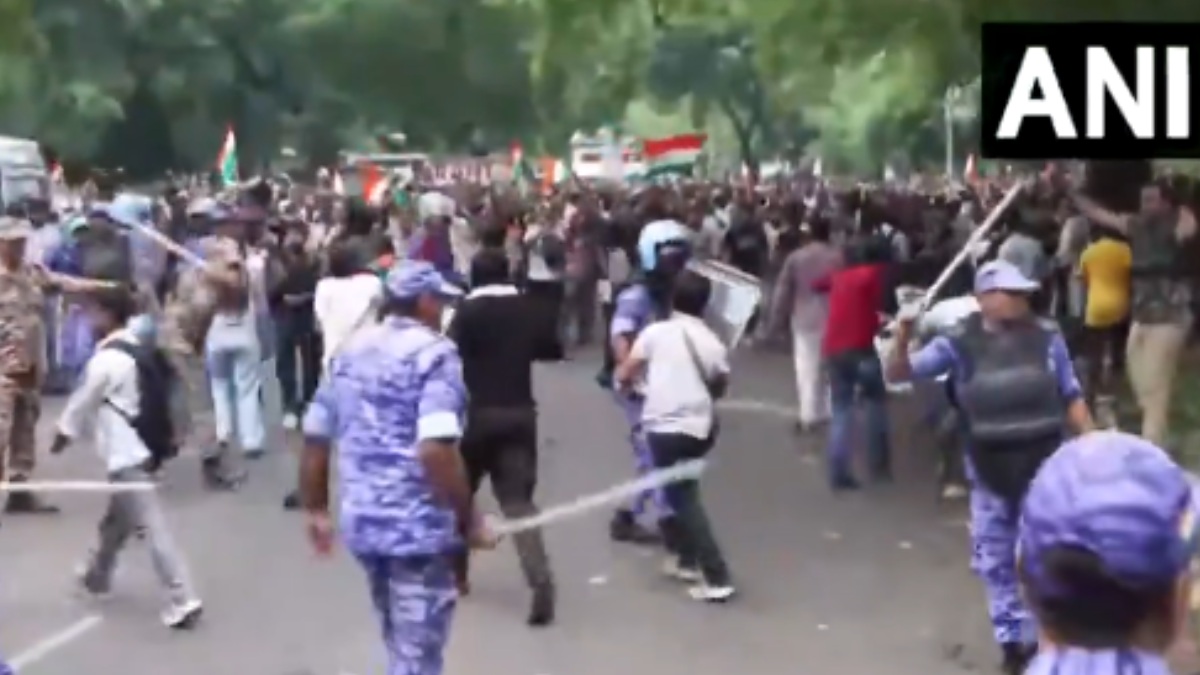
Commuters in the capital’s main transportation system could be widely destabilised as auto-rickshaw and taxi drivers in Delhi work on strike in the first session of the trade union action, which begins today.
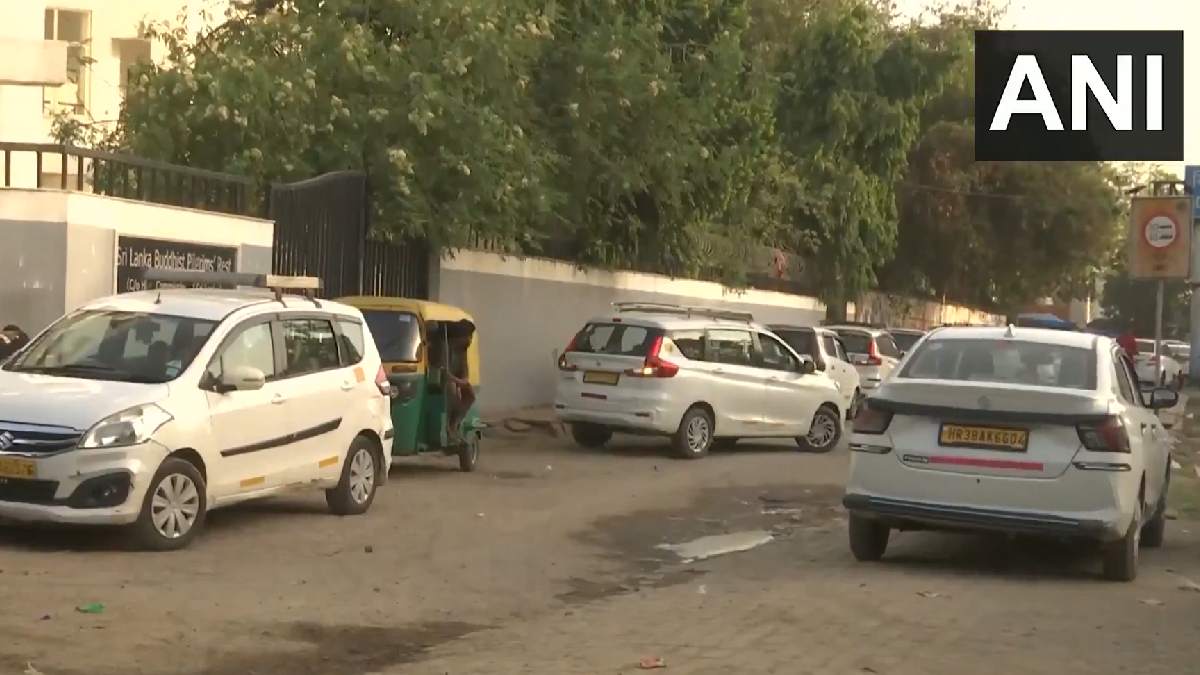
The protest, which is being championed by several trade union groups, will impact thousands of daily commuters, including those relying on the autos, taxi drivers, app-based cab rides and taxi drivers, for transportation to the local area. The drivers are also racking up a storm of complaints about high fuel prices, expensive maintenance and what they say are inadequate fare plans not reviewed for years.
Union leaders said the drivers have been fighting to stay financially viable, noting the sharp increase in operating costs while earnings remain largely unchanged. Yet the already-well-priced fuels are just not up to drivers’ needs anymore, as petrol, diesel, and CNG rates in their vehicles steadily rise, drivers’ associations said. They are asking for the Delhi government to revise the fare immediately, and for financial assistance to drivers.
Why Are Drivers Protesting?
The protests centred upon the following demands:
- Upgrading of the auto-rickshaw or taxi fare.
- Relief from rising fuel prices.
- Reduction of fines and challans.
- Drivers’ and car owners’ welfare policy.
- Tighter regulations for app-based cab aggregators.
Driver unions go to the authorities for help, and, even after repeated requests, they failed to address their needs. Many drivers are being compelled to work longer hours just to make sure they have the money they need to make it through the day, and to obtain vehicle loans, they say.
Some unions were also unhappy with app-based ride platforms that they said charge commissions on rides and have discriminatory pricing policies, causing economic impact on drivers. Many drivers say the incentives previously given come with significant cuts.
What Will Be Affected?
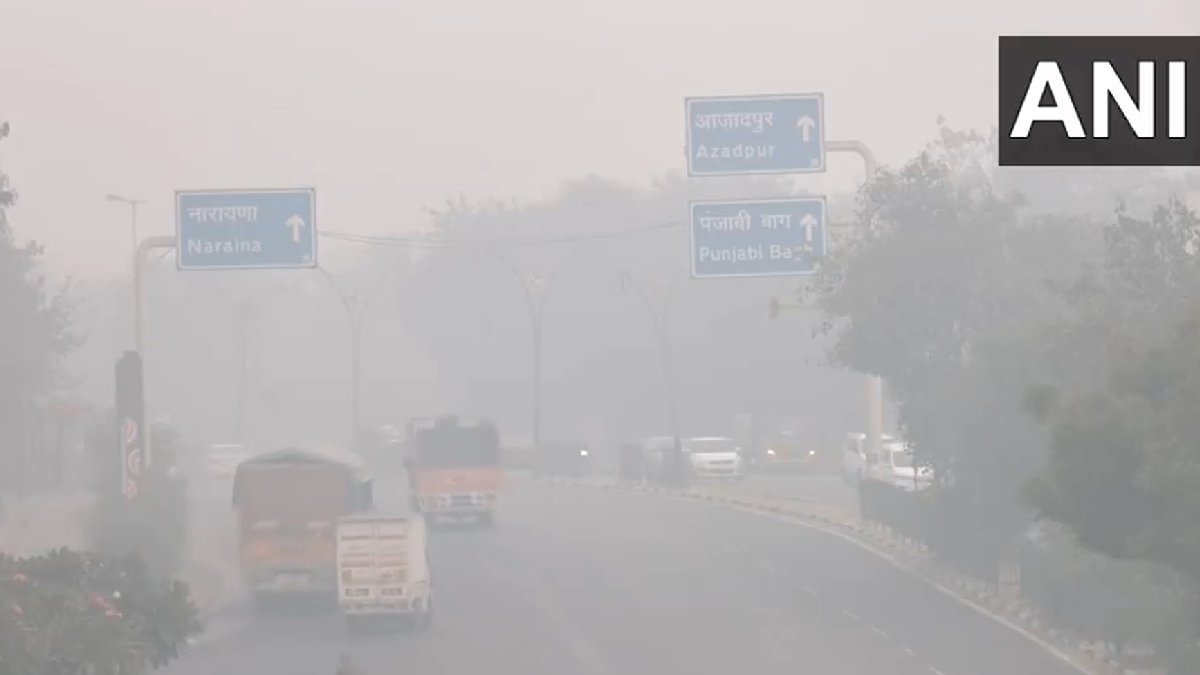
The strike may affect daily commuters across Delhi for all to see, especially at school and offices. Those located near the railway stations, metro stations, airports, markets and business hubs could face shortages of transport links and longer waiting times. People who relied on autos and taxis might have to deal with:
- Difficulty finding rides.
- Surge prices on app-based cab platforms.
- Increased waiting times.
- Bus service and metro services overcrowding.
Though Delhi metro services are anticipated to be unaffected after the transport disruption, authorities say that traffic should swell. Others suggest not all drivers will be joining the strike, with reduced services likely remaining accessible in some parts of the city.
The most affected groups of vehicles, commuters in particular, also fear that even those who do contribute may have a substantial impact on mobility in the capital.
Government Response
They think Delhi officials are observing everything and that negotiations between the union representatives are needed. No formal announcement has been issued today on fare increases or any changes in policy. They have instructed commuters to plan for trips and find alternate transport modes, they said.
Tensions between transport workers and authorities that were once at their highest in recent weeks over the cost of living are gradually escalating (also city flow restrictions, of course), and the friction could worsen by the end of the week. If negotiations collapse, trade unionists believe agitation could mean even wilder turmoil in the next few days.